
Uncategorized
CBD for anxiety guides
CBD for anxiety guides
1. What Is CBD?
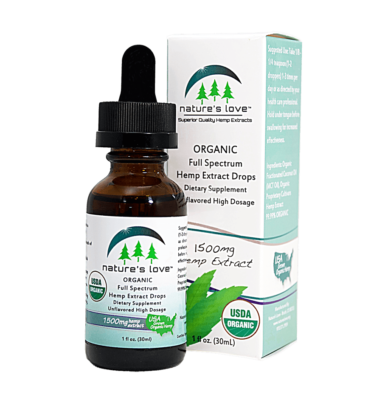
Cannabidiol (CBD) is a naturally occurring compound found in the Cannabis sativa plant. Unlike its cousin THC (tetrahydrocannabinol), CBD is non-psychoactive — meaning it does not produce the “high” associated with cannabis use. Instead, it interacts with your body’s endocannabinoid system in ways that researchers believe can promote calm, reduce stress responses, and support overall wellbeing.
CBD is one of over 100 known cannabinoids in the cannabis plant. Most CBD products on the market today are derived from hemp — a variety of Cannabis sativa legally required to contain no more than 0.3% THC in the United States (and similarly low limits in the UK and EU). CBD for anxiety guides. CBD for anxiety guides. CBD for anxiety guides. CBD for anxiety guides. CBD for anxiety guides. CBD for anxiety guides. CBD for anxiety guides. CBD for anxiety guides. CBD for anxiety guides
Source
Derived from hemp plants (Cannabis sativa) with <0.3% THC
Non-Psychoactive
Does not cause a “high” or alter your state of consciousness
Legal Status
Legal at the federal level in the US; regulations vary by country
Studied For
Anxiety, sleep, pain, epilepsy (FDA-approved for seizures)
CBD vs. THC: What’s the Difference?
The most important distinction for anxiety sufferers is that CBD and THC work on entirely different receptors. THC binds directly to CB1 receptors in the brain, triggering psychoactive effects — and in some people, worsening anxiety. CBD, by contrast, does not directly bind to these receptors, and may actually counteract some of THC’s anxiety-inducing effects.
2. How CBD Works for Anxiety
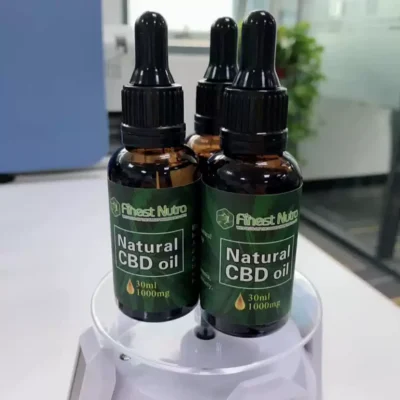
To understand how CBD may ease anxiety, you need to understand a biological system most people have never heard of: the endocannabinoid system (ECS).
The Endocannabinoid System (ECS)
Discovered in the 1990s, the ECS is a complex cell-signaling system found throughout the brain and body. It plays a crucial role in regulating a wide range of functions including mood, stress response, sleep, appetite, and memory. The ECS consists of three core components:
Endocannabinoids
Molecules your body naturally produces (like anandamide, nicknamed the “bliss molecule”)
Receptors
CB1 (primarily in brain/nervous system) and CB2 (primarily in immune tissue)
Enzymes
Break down endocannabinoids after they’ve carried out their function
CBD’s Specific Mechanisms
CBD does not attach strongly to CB1 or CB2 receptors directly. Instead, researchers have identified several other pathways through which it may produce calming effects: CBD for anxiety guides
Serotonin receptor agonism (5-HT1A): CBD binds to the serotonin receptor 5-HT1A, which plays a major role in regulating anxiety, fear, and mood. This is the same receptor pathway targeted by buspirone, a common anti-anxiety medication.
FAAH inhibition: CBD inhibits the enzyme FAAH (fatty acid amide hydrolase), which normally breaks down anandamide. By slowing anandamide’s breakdown, CBD effectively increases levels of this natural “bliss molecule,” contributing to reduced anxiety.
GABA modulation: Some research suggests CBD may enhance the activity of GABA receptors — the same inhibitory neurotransmitter system targeted by benzodiazepines — producing a calming effect without the sedation or dependency risks.
“CBD’s multi-target pharmacology — operating across serotonin, endocannabinoid, and GABAergic pathways simultaneously — makes it uniquely interesting as an anxiolytic candidate.”
3. The Research & Science
CBD research has accelerated rapidly in the past decade. While many studies are still preliminary — conducted in animals or small human groups — the findings are promising enough that clinical trials are now underway at major research institutions.
Key Human Studies on CBD and Anxiety
Social anxiety disorder (SAD): A landmark 2011 study published in Neuropsychopharmacology found that CBD significantly reduced anxiety, cognitive impairment, and discomfort in speech performance in patients with social anxiety disorder. Participants given 600 mg of CBD before a simulated public speaking test reported markedly reduced anxiety compared to placebo.
Generalized anxiety: A 2019 retrospective case study published in The Permanente Journal examined 72 adults — most with anxiety or sleep concerns. Within the first month, 79% reported lower anxiety scores, and 66% reported improved sleep, with results sustained over the three-month study period.
PTSD: Research published in the Journal of Alternative and Complementary Medicine (2019) found CBD helped reduce PTSD symptoms including nightmares and hyperarousal in 11 adult patients, with no significant adverse effects.
Acute stress response: Multiple studies using the Trier Social Stress Test (a laboratory method for inducing stress) found CBD attenuated cortisol release and subjective anxiety compared to placebo conditions.
What the Research Doesn’t Tell Us (Yet)
It’s important to be honest: most CBD-anxiety studies involve small sample sizes, vary widely in dosage and product type, and are often acute (single-dose) rather than long-term. We still lack large-scale, randomized controlled trials for most anxiety conditions. The research is promising — but not yet definitive at the level we’d expect for a prescription drug.
🔍 Bottom Line on the Science
CBD shows consistent, replicated anxiolytic effects in preclinical models and has demonstrated efficacy in several human trials — particularly for social anxiety and acute stress. More large-scale studies are needed, but the existing evidence is meaningful, not speculative.
4. Types of CBD Products for Anxiety
Not all CBD products are created equal. The form you choose affects how quickly you feel effects, how much CBD reaches your bloodstream, and how practical it is to use daily. Here’s a breakdown of the most common formats:
CBD Oil / Tincture (Sublingual)
Applied under the tongue and held for 60–90 seconds before swallowing. Absorbed directly into the bloodstream through mucous membranes. Fast onset (15–30 minutes), precise dosing, high bioavailability (~35%).
Fastest onset Best for dosing flexibilityCapsules & Softgels
Pre-measured doses in pill form. Must pass through the digestive system, reducing bioavailability (~10–20%) and delaying onset (45–90 minutes). Ideal for those who dislike the taste of oil and want convenient daily dosing.
Slower onset Convenient & tastelessCBD Gummies & Edibles
Infused food products with pre-set CBD per piece. Popular due to taste and discretion, but lower bioavailability and slower onset similar to capsules. Dosing can be inconsistent depending on product quality.
Easiest to take Lower bioavailabilityCBD Vape / Inhaled
Provides the fastest onset (2–5 minutes) and highest bioavailability (~50–60%), making it useful for acute anxiety episodes. However, long-term lung safety of vaping remains uncertain, and this is not recommended as a primary method.
Fastest relief Lung safety uncertainTopicals (Creams & Balms)
Applied to skin; minimal systemic absorption. Not typically effective for anxiety (which requires CBD to reach the brain), but useful for localized tension and muscle stress.
Not for anxiety Good for physical tension5. CBD Dosage Guide for Anxiety
Dosing CBD is not a one-size-fits-all process. There is no officially established daily recommended dose for anxiety because it varies significantly based on body weight, metabolism, the severity of symptoms, product type, and individual physiology.
The general principle endorsed by most practitioners is “start low and go slow.”
| Experience Level | Suggested Starting Dose | Frequency | Timeframe to Assess |
|---|---|---|---|
| Beginner | 5–15 mg per dose | Once or twice daily | 1–2 weeks |
| Moderate | 15–30 mg per dose | Twice daily | 2–3 weeks |
| Advanced / Clinical | 30–100 mg per dose | 2–3 times daily | 4+ weeks under guidance |
| Acute anxiety (as-needed) | 150–600 mg (research doses) | As needed | Effect within 1–2 hours |
💡 Dosage Tip
Increase your dose by 5 mg every 3–5 days until you find the minimum effective dose. Research suggests CBD may show a “bell-curve” response — meaning very high doses can sometimes be less effective than moderate doses for anxiety specifically. Keep a daily journal to track your response.
Body Weight and Dosage
A commonly used starting guideline is 1–6 mg of CBD per 10 lbs (4.5 kg) of body weight per day. So a 150 lb person might begin with 15–90 mg daily depending on symptom severity. However, this is a rough guide — individual response varies considerably, and genetics play a significant role.
6. How to Choose a Quality CBD Product
The CBD market is largely unregulated, making quality assessment entirely the consumer’s responsibility. Here’s what to look for:
1. Third-Party Lab Testing (COA)
Always look for a Certificate of Analysis (COA) from an independent, accredited laboratory. This document should verify: the exact CBD content per serving, the THC level (should be <0.3%), absence of pesticides, heavy metals, and microbial contaminants, and the absence of residual solvents from the extraction process.
2. Spectrum Type
Full Spectrum
Contains all cannabinoids including trace THC (<0.3%), terpenes, and flavonoids. Many users report the strongest effect due to the “entourage effect.”
Broad Spectrum
All cannabinoids and terpenes retained, but THC is removed or reduced to non-detectable levels. A middle ground for those sensitive to THC.
CBD Isolate
Pure CBD only — no other cannabinoids or terpenes. Predictable, but may be less effective than whole-plant extracts for anxiety according to some research.
3. Extraction Method
CO2 extraction is considered the gold standard — it preserves cannabinoid and terpene profiles while avoiding solvent residues. Some budget products use ethanol extraction, which is also acceptable. Avoid products that don’t disclose their extraction method.
4. Source & Organic Certification
Hemp is a bioaccumulator — it absorbs contaminants from the soil it’s grown in. Choose products made from USDA Certified Organic hemp grown in the US or EU, where agricultural regulations are stringent. Avoid products made from hemp grown in unregulated regions with no soil testing.
7. Side Effects, Interactions & Safety
CBD is generally regarded as safe and well-tolerated. In clinical trials, it has demonstrated a favorable safety profile even at doses up to 1,500 mg/day over extended periods. That said, side effects and drug interactions are real and worth understanding.
Common Side Effects
Drowsiness
Most commonly reported at higher doses. Take in the evening initially until you know how you respond.
Nausea / Appetite Changes
Typically mild and dose-dependent. Taking with food can reduce GI discomfort.
Dry Mouth
CBD can reduce saliva production. Stay well hydrated throughout the day.
Blood Pressure
High doses may temporarily lower blood pressure. Monitor if you’re already on antihypertensives.
Important Drug Interactions
CBD is metabolized by the same liver enzyme system (CYP450) as many common medications. This means CBD can increase or decrease the concentration of certain drugs in your bloodstream. Notable interactions include:
| Drug Category | Examples | Potential Interaction |
|---|---|---|
| Blood thinners | Warfarin, aspirin | CBD may increase bleeding risk |
| Antidepressants | SSRIs, SNRIs | Possible increased serotonin effects |
| Antiepileptics | Valproate, clobazam | Altered drug levels (FDA-noted) |
| Opioids | Codeine, oxycodone | May enhance sedation |
| Benzodiazepines | Diazepam, lorazepam | Additive CNS depression |
⚠️ Critical Safety Note
If you take any prescription medication — especially blood thinners, antidepressants, or anti-seizure drugs — consult your doctor or pharmacist before using CBD. The “grapefruit warning” on your medication is a useful proxy: if grapefruit is contraindicated, CBD may interact similarly.
8. Frequently Asked Questions
How long does CBD take to work for anxiety?
It depends on the delivery method. Sublingual oils work in 15–30 minutes. Capsules and edibles take 45–90 minutes. Vaping provides the fastest relief in under 10 minutes. For chronic anxiety, consistent daily use over 2–4 weeks tends to produce the most noticeable improvement.
Will CBD make me feel high or sedated?
No. CBD does not produce psychoactive effects. At standard doses, most people feel calm but mentally clear. Higher doses may cause mild drowsiness, which is why evening dosing is often recommended for beginners.
Can I take CBD every day?
Yes, daily use is common and considered safe based on current evidence. In fact, consistent daily dosing tends to produce more stable anxiety relief than using CBD only occasionally. Unlike many medications, CBD does not appear to cause physical dependence or tolerance buildup in most users.
What’s the best CBD product for anxiety?
Full-spectrum CBD oils taken sublingually are generally considered the most effective format based on available research — combining the highest bioavailability with the entourage effect. However, the “best” product depends on your lifestyle, taste preferences, and whether trace THC is a concern for you.
Is CBD a replacement for therapy or medication?
No. CBD is best viewed as a complementary tool, not a standalone treatment. For clinical anxiety disorders, evidence-based treatments like Cognitive Behavioral Therapy (CBT) and/or medication remain far more thoroughly validated. Many people use CBD alongside conventional treatment — with their doctor’s knowledge — to help manage day-to-day symptoms.
Does CBD show up on a drug test?
Pure CBD isolate typically does not trigger a positive drug test. However, full-spectrum CBD products contain trace amounts of THC, which could potentially accumulate and show up on a test with frequent heavy use. If drug testing is a concern, opt for broad-spectrum or isolate products with verified non-detectable THC levels.
Is CBD legal where I live?
In the United States, hemp-derived CBD with less than 0.3% THC is federally legal following the 2018 Farm Bill, though some states have additional restrictions. In the UK and much of the EU, CBD is legal but tightly regulated. Laws vary significantly internationally — always verify local regulations before purchasing or traveling with CBD products.
The Bottom Line
CBD represents one of the most genuinely interesting developments in the anxiety management space in recent years. It’s non-addictive, generally well-tolerated, and backed by a growing (if not yet definitive) body of scientific evidence suggesting real anxiolytic effects — particularly for social anxiety and acute stress responses.
That said, it is not a miracle cure, and the market is flooded with low-quality products making inflated claims. The keys to a good experience are choosing a verified, third-party tested product from a reputable brand, starting with a conservative dose, and giving it adequate time to work.
Most importantly, if you’re dealing with significant anxiety — whether diagnosed or not — the best first step is always speaking with a healthcare provider. CBD can be a useful part of a broader wellness strategy, but it works best when it complements, not replaces, professional care and evidence-based treatments.
