
Uncategorized
Beginner cannabis guides
Beginner cannabis guides
1. What Is Cannabis?
Cannabis (also commonly called marijuana, weed, pot, or hemp) is a flowering plant from the Cannabaceae family. It has been cultivated for thousands of years for its fiber, seeds, medicinal properties, and psychoactive effects. The plant produces over 100 unique chemical compounds called cannabinoids, the most well-known being THC (tetrahydrocannabinol) and CBD (cannabidiol).Beginner cannabis guides. Beginner cannabis guides. Beginner cannabis guides. Beginner cannabis guides. Beginner cannabis guides. Beginner cannabis guides
The plant’s effects come primarily from the trichomes — tiny, crystal-like structures on the flowers and leaves that contain concentrated cannabinoids and aromatic compounds called terpenes. These terpenes give each strain its distinct smell and can influence its effects.
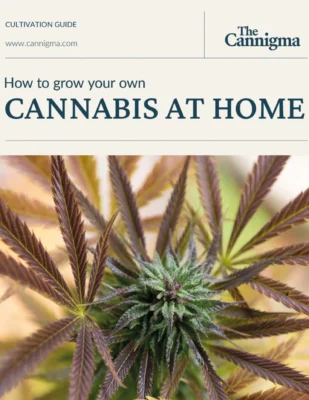
A healthy cannabis plant in the growing stage. Understanding the plant helps beginners make more informed choices.
Cannabis interacts with the body through the endocannabinoid system (ECS) — a biological network of receptors (CB1 and CB2) found throughout the brain, nervous system, and immune system. This is why cannabis can affect mood, pain perception, appetite, sleep, and memory.
2. Understanding THC vs. CBD|Beginner cannabis guides
The two most important cannabinoids for beginners to understand are THC and CBD. While they come from the same plant, they have very different effects on the body.
THC (Tetrahydrocannabinol)
The primary psychoactive compound. Responsible for the “high.” Binds strongly to CB1 receptors in the brain. Effects include euphoria, relaxation, altered perception, and increased appetite.
CBD (Cannabidiol)
Non-psychoactive — it won’t get you high. Associated with anxiety relief, anti-inflammatory effects, and pain management. Often used in wellness products and medical contexts.
The Entourage Effect
When THC, CBD, and terpenes work together, they produce a more balanced experience than any compound alone. This is called the “entourage effect” and is why full-spectrum products are popular.
THC and CBD share a similar molecular structure but produce very different effects in the human body.
| Property | THC | CBD |
|---|---|---|
| Psychoactive? | Yes — causes a “high” | No — non-intoxicating |
| Anxiety Effect | Can increase at high doses | Typically reduces anxiety |
| Legal Status | Restricted in many places | Legal in most countries |
| Common Use | Recreation & some medical | Wellness & medical |
| Beginner-Friendly? | Start low and slow | Very beginner-friendly |
3. Indica, Sativa & Hybrid Strains Explained
Walk into any dispensary and you’ll encounter three broad categories of cannabis: Indica, Sativa, and Hybrid. While modern cannabis science acknowledges these distinctions are more nuanced than once believed, they remain a useful starting framework for beginners.
Indica, Sativa, and Hybrid cannabis plants differ in appearance, growth patterns, and general effect profiles.
Indica — The Body Relaxer
Indica strains are often associated with deep physical relaxation, reduced anxiety, and a calming “body high.” They tend to be shorter, bushier plants with broad, dark green leaves. Popular Indica strains include Granddaddy Purple, Northern Lights, and Bubba Kush.
Best for: Evening use, insomnia, muscle tension, anxiety relief, and winding down.
Sativa — The Mind Energizer
Sativa strains are typically linked to uplifting, energizing effects that promote creativity and focus. Plants grow tall and thin with narrow leaves. Common Sativa strains include Sour Diesel, Green Crack, and Jack Herer.
Best for: Daytime use, creative projects, socializing, fighting fatigue, and depression.
Hybrid — Best of Both Worlds
Most modern cannabis strains are hybrids — bred from both Indica and Sativa genetics to achieve a specific balance of effects. Hybrids like Blue Dream, Gelato, and OG Kush are among the most popular strains worldwide.
4. Consumption Methods for Beginners|Beginner cannabis guides
One of the biggest decisions you’ll make as a new cannabis user is how to consume. Each method delivers cannabinoids to your bloodstream differently, affecting onset time, intensity, and duration. Here’s a practical breakdown:

From flower and vaporizers to edibles and tinctures — today’s beginners have more choices than ever.
| Method | Onset Time | Duration | Beginner-Friendly? |
|---|---|---|---|
| Smoking (joint/pipe) | 2–10 minutes | 1–3 hours | Moderate ⚠️ |
| Vaporizing (dry herb) | 5–15 minutes | 1–3 hours | Yes ✅ |
| Edibles | 30 min – 2 hours | 4–8 hours | Caution needed ⚠️ |
| Tinctures (sublingual) | 15–45 minutes | 2–4 hours | Yes ✅ |
| Capsules/Pills | 30 min – 2 hours | 4–8 hours | Yes ✅ |
| Topicals (cream/balm) | 15–30 minutes | 2–4 hours | Yes ✅ (no high) |
Smoking & Vaping
Inhaled cannabis is absorbed through the lungs and enters the bloodstream quickly — often within minutes. This makes dosing easier to manage because you can gauge effects before consuming more. Vaporizing is generally considered a cleaner alternative to smoking since it heats cannabis below combustion temperature, reducing exposure to harmful smoke byproducts.
Edibles — Proceed With Caution
Edibles (cannabis-infused foods and drinks) are a popular choice, but they’re also where most beginner mistakes happen. Because the liver converts THC into a more potent compound (11-hydroxy-THC) during digestion, edibles can feel significantly stronger than smoking — and the delayed onset (up to 2 hours) causes many first-timers to take more before the first dose kicks in. The golden rule: “Start low, go slow.”
Tinctures & Oils
Tinctures are liquid cannabis extracts taken under the tongue (sublingually). They offer relatively predictable onset times, accurate dosing via a dropper, and discreet consumption — making them one of the most beginner-friendly methods available.
5. Beginner Dosing Guide
Dosing is arguably the most critical skill for new cannabis users to develop. Cannabis affects people differently based on body weight, metabolism, tolerance, and individual brain chemistry. What’s a mild dose for one person can be overwhelming for another.
For THC edibles, here is a widely accepted dosing scale:
Beginners should start at 2.5–5 mg THC and wait a full two hours before considering more. For inhaled cannabis, take one or two small puffs and wait 15 minutes before continuing.
6. What to Expect: Effects & Timeline
Understanding what cannabis actually feels like can ease anxiety for first-time users. Effects vary enormously based on strain, dose, consumption method, and individual biochemistry — but here are common experiences:
Euphoria & Mood Lift
Many users feel a wave of happiness, laughter, and general wellbeing — especially with Sativa-dominant strains.
Relaxation
Physical tension melts away. Indica strains are particularly well-known for this “melting into the couch” sensation.
Increased Appetite
The famous “munchies” — THC stimulates appetite-related pathways. Keep healthy snacks on hand!
Heightened Senses
Music, art, food, and conversation can feel more vivid and engaging. Many users report enhanced creativity.
Sleepiness
At higher doses or with Indica strains, cannabis can cause drowsiness — making it popular for insomnia relief.
Anxiety (at High Doses)
Too much THC — especially in unfamiliar settings — can trigger anxiety or paranoia. This is why dosing carefully matters.
First-Time User Timeline (Smoked/Vaped)
0–5 min: Inhale one or two small puffs. Wait and observe.
5–15 min: Effects begin. You may notice a warm sensation, slight euphoria, or relaxed muscles.
15–30 min: Peak effects. This is the strongest the experience will feel.
1–3 hours: Effects gradually subside. You may feel slightly tired or hungry afterward.
3–6 hours: Back to baseline. Some residual calm or sleepiness is normal.
7. Safety Tips & What to Avoid
Cannabis has a very strong safety profile compared to many substances — there is no known lethal dose from cannabis alone. However, that doesn’t mean it’s risk-free, particularly for beginners. Here are the most important safety principles:
- Always start with a low dose — you can always take more, you cannot take less.
- Use cannabis in a comfortable, familiar, and safe environment.
- Have a trusted, sober friend present for your first experience.
- Avoid mixing cannabis with alcohol, especially for beginners.
- Never drive or operate heavy machinery under the influence.
- Purchase from licensed dispensaries or reputable sources with lab-tested products.
- Stay hydrated and have light snacks available.
- If you feel anxious, change your environment, breathe deeply, and remember it will pass.
Who Should Avoid or Limit Cannabis?
Cannabis is not appropriate for everyone. It is generally advised that the following groups exercise significant caution or avoid cannabis use entirely: people under 25 (developing brains are more vulnerable), individuals with a personal or family history of psychosis or schizophrenia, pregnant or breastfeeding women, people with cardiovascular conditions, and those taking certain medications (THC can interact with blood thinners, antidepressants, and sedatives). Always consult a doctor if in doubt.
8. Cannabis Laws: Know Before You Go
Cannabis laws are in a state of rapid change globally. Some key points to be aware of:
- Fully Legal (adult use): Canada, Germany (2024), many US states, Uruguay, and others.
- Medical Only: UK, Australia, many US states, and dozens of other countries.
- Decriminalized: Possession of small amounts carries no criminal penalty in places like Portugal, the Netherlands, and several US states.
- Illegal: Cannabis remains fully prohibited in many countries across Asia, the Middle East, and parts of Africa with serious legal consequences.
Always research the current laws in your specific location before purchasing or using cannabis. Laws change frequently, and what’s legal in one state or country may be a criminal offense in a neighboring region.
9. Frequently Asked Questions
Ready to Start Your Cannabis Journey?
Cannabis can be a safe, enjoyable, and even therapeutic experience when approached with knowledge, intention, and respect. The key principles are simple: start low, go slow, know your source, and understand your legal environment. Armed with the information in this guide, you’re far better prepared than the average first-time user.
