
Uncategorized
Indica vs sativa effects
Indica vs Sativa: Effects,
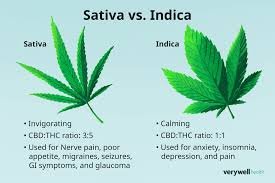
The Great Cannabis Debate
If you’ve ever walked into a dispensary or done any research on cannabis, you’ve almost certainly come across the terms Indica and Sativa. These two classifications have dominated cannabis culture for decades, shaping how consumers choose strains and how budtenders make recommendations. But what do these terms actually mean? Are the differences real, or are they largely a myth?
The answer is nuanced. While modern cannabis science has complicated the traditional Indica vs Sativa narrative, the classifications remain widely used — and they do carry real meaning for many consumers. In this comprehensive guide, we’ll break down the effects of Indica and Sativa strains, explore the science behind them, discuss how terpenes and cannabinoids play a role, and help you determine which type may be right for you.
What Are Indica and Sativa? A Brief History
The terms Cannabis sativa and Cannabis indica were first introduced in the 18th century to describe two distinct plant subspecies: Indica vs Sativa: Effects. Indica vs Sativa: Effects.Indica vs Sativa: Effects
Cannabis sativa was originally described by Carl Linnaeus in 1753. It referred to tall, thin-leafed cannabis plants that were cultivated widely in Europe and western Eurasia, primarily for hemp fiber and seed oil.
Cannabis indica was classified by Jean-Baptiste Lamarck in 1785. It described shorter, bushier plants from the Indian subcontinent, known for their psychoactive resin — what we today recognize as THC-rich cannabis used recreationally and medicinally.
Over time, as cannabis cultivation spread globally and breeders began hybridizing strains for specific traits, the genetic lines between the two became heavily blurred. Nearly all cannabis available on the commercial market today is technically a hybrid of both types. Still, the Indica/Sativa framework persists as a practical shorthand for describing expected effects .Indica vs Sativa: Effects. Indica vs Sativa: Effects. Indica vs Sativa: Effects
Indica Effects: What to Expect
Indica strains are most commonly associated with relaxing, sedating, and full-body effects. They are typically recommended for evening or nighttime use, which has given rise to the popular phrase: “Indica = in da couch.”
Common Effects of Indica Strains
- Deep physical relaxation — Indica strains are often reported to produce a heavy, calming sensation in the body, making them popular for unwinding after a long day.
- Sedation and sleepiness — Many consumers use Indica-dominant strains to combat insomnia or improve sleep quality.
- Pain relief — The body-heavy effects of Indicas make them a frequent choice among those dealing with chronic pain, muscle tension, and inflammation.
- Stress and anxiety reduction — The calming properties of Indica strains may help reduce racing thoughts and ease feelings of anxiety.
- Increased appetite — Often referred to as “the munchies,” Indica strains are commonly associated with a significant boost in appetite.
- Mental calm — While not necessarily sedating the mind completely, Indicas often promote a quieter mental state compared to Sativas. Indica vs Sativa: EffectsIndica vs Sativa: Effects.\ .Indica vs Sativa: Effects
Popular Indica Strains
Some well-known Indica or Indica-dominant strains include:
- Granddaddy Purple (GDP) — Famous for its deep purple hues and potent relaxing effects.
- Northern Lights — A classic Indica known for its fast-acting, euphoric, and sedating properties.
- Blueberry — A strain with fruity flavor and calming full-body effects.
- Afghan Kush — One of the purest Indica strains, originating from the Hindu Kush mountain range.
- Bubba Kush — Known for its heavy tranquilizing effects and earthy, sweet flavor.
Best Use Cases for Indica
Indica strains tend to be most beneficial for:
- Evening relaxation or winding down before bed
- Managing chronic pain or muscle soreness
- Treating insomnia or sleep disturbances
- Reducing nausea (particularly in patients undergoing chemotherapy)
- Stimulating appetite in those dealing with eating disorders or illness-related appetite loss
- Calming symptoms of anxiety or PTSD
Sativa Effects: What to Expect
Sativa strains are generally associated with uplifting, energetic, and cerebral effects. They are often recommended for daytime use because of their stimulating properties.
Common Effects of Sativa Strains
- Euphoria and mood elevation — Sativa strains are well known for producing feelings of happiness, optimism, and emotional uplift.
- Increased energy and alertness — Many consumers turn to Sativas for a mental pick-me-up, similar to how some people use coffee.
- Enhanced creativity — Artists, musicians, and writers frequently report that Sativa strains help them think outside the box and approach problems from new angles.
- Focus and productivity — Some Sativa strains can promote concentration and mental clarity, making them useful for tasks that require sustained attention.
- Social stimulation — The uplifting properties of Sativa strains can make social interactions feel more engaging and enjoyable.
- Heightened sensory awareness — Music, food, and visual art can feel more vivid and immersive under the influence of Sativa strains.
Popular Sativa Strains
Some well-known Sativa or Sativa-dominant strains include:
- Sour Diesel — A fast-acting strain with a pungent, diesel-like aroma and a dreamy, energizing cerebral high.
- Jack Herer — Named after the famous cannabis activist, this strain is celebrated for its clear-headed, blissful effects.
- Green Crack — Despite the provocative name, this strain offers a sharp mental focus and energetic buzz.
- Durban Poison — A pure Sativa from South Africa, known for its sweet smell and uplifting, productive high.
- Super Silver Haze — A multi-award-winning strain that combines an energetic buzz with a body-melting sensation.
Best Use Cases for Sativa
Sativa strains tend to be most beneficial for:
- Daytime productivity and creative work
- Social situations or gatherings
- Managing symptoms of depression and low mood
- Fighting fatigue or mental fog
- Enhancing physical activities like hiking or yoga
- Boosting focus in those with ADHD (though individual responses vary widely)
Indica vs Sativa: Side-by-Side Comparison
| Feature | Indica | Sativa |
|---|---|---|
| Plant Height | Short and bushy | Tall and thin |
| Leaf Shape | Wide, broad leaves | Long, narrow leaves |
| Primary Effects | Body relaxation, sedation | Mental stimulation, energy |
| Best Time of Use | Evening/nighttime | Daytime |
| Common Benefits | Sleep, pain, anxiety, appetite | Mood, focus, creativity, energy |
| THC:CBD Ratio | Often higher CBD | Often higher THC |
| Terpene Profile | Myrcene-dominant (earthy, musky) | Limonene/pinene-dominant (citrus, pine) |
| Popular Strains | Granddaddy Purple, Northern Lights | Sour Diesel, Jack Herer |
The Role of Terpenes in Indica vs Sativa Effects
One of the most important — and often overlooked — factors in the Indica vs Sativa debate is terpenes. Terpenes are the aromatic compounds found in cannabis (and many other plants) that give each strain its distinctive smell and flavor. But beyond aroma, terpenes also influence the effects of cannabis through a phenomenon known as the entourage effect.
The entourage effect refers to the idea that cannabinoids (like THC and CBD) and terpenes work synergistically, meaning the combination of compounds produces effects greater than any single compound alone.
Here are some key terpenes found in cannabis and how they relate to Indica and Sativa effects:
Myrcene is one of the most abundant terpenes in cannabis and is heavily associated with Indica strains. It has an earthy, musky scent reminiscent of cloves. Myrcene is believed to contribute significantly to the sedating, relaxing effects of Indica strains — it may even enhance the ability of THC to cross the blood-brain barrier.
Limonene has a bright, citrusy aroma and is more commonly found in Sativa strains. It’s associated with mood elevation, stress relief, and anti-anxiety effects. Limonene-rich strains tend to be uplifting and energizing.
Pinene carries the scent of pine trees and is another terpene more prevalent in Sativa strains. It may promote alertness, improve memory retention, and counteract some of the short-term memory impairment associated with THC.
Linalool is also found in lavender and is associated with calming and anxiolytic (anti-anxiety) effects. It appears in both Indica and Sativa strains but is more common in Indicas.
Caryophyllene has a spicy, peppery aroma and is unique in that it can interact directly with cannabinoid receptors. It’s believed to have anti-inflammatory and analgesic properties and appears across both strain types.
Understanding terpenes is increasingly considered more predictive of a strain’s effects than the Indica/Sativa label alone.
The Science: Does the Indica/Sativa Distinction Hold Up?
Here’s where it gets complicated. Modern cannabis researchers and geneticists have pointed out that the traditional Indica/Sativa classification system has significant limitations when it comes to predicting effects.
A landmark study published in the journal PLOS ONE (2015) analyzed the genetic profiles of various cannabis strains and found that the relationship between plant genetics and the Indica/Sativa label was inconsistent. Strains labeled as “Sativa” did not always cluster genetically with other Sativas, and the same was true for Indicas.
What this means in practical terms is that the morphological traits of a plant (how it looks) don’t always reliably predict its biochemical profile (how it will make you feel). Two strains both labeled “Indica” can have very different cannabinoid and terpene profiles — and therefore very different effects.
This is why many cannabis experts and medical professionals are now advocating for a shift away from the Indica/Sativa framework and toward a more detailed understanding of:
- Cannabinoid content (THC %, CBD %, CBG %, CBN %, etc.)
- Terpene profiles (which terpenes are present and in what concentrations)
- Individual biochemistry (how a person’s own endocannabinoid system responds)
That said, the Indica/Sativa framework remains useful as a general guideline for first-time and casual consumers, and it continues to shape how products are marketed, labeled, and discussed within the cannabis industry.
What About Hybrid Strains?
The vast majority of cannabis strains available today are hybrids — crossbreeds that combine traits of both Indica and Sativa plants. Hybrids are intentionally cultivated to achieve a specific balance of effects and are typically classified as:
- Indica-dominant hybrids — Lean toward relaxing, body-heavy effects but may still offer some mental uplift.
- Sativa-dominant hybrids — Lean toward energizing, cerebral effects while still providing some physical relaxation.
- Balanced hybrids (50/50) — Aim to offer a blend of both Indica and Sativa effects, often considered versatile “any time of day” options.
Popular hybrid strains include Blue Dream (Sativa-dominant), OG Kush (Indica-dominant), Girl Scout Cookies (Indica-dominant), and Pineapple Express (Sativa-dominant).
Indica vs Sativa for Medical Use
From a medical cannabis perspective, the Indica/Sativa distinction remains a commonly used starting point for patient consultations — though medical professionals increasingly emphasize cannabinoid ratios and terpene profiles for more precise recommendations.
Indica for Medical Use:
Indica-dominant strains are commonly recommended for patients dealing with chronic pain, muscle spasms, insomnia, nausea, and anxiety disorders. The relaxing body effects make them well-suited for conditions requiring physical symptom relief without the stimulation that might worsen anxiety or sleep issues.
Sativa for Medical Use:
Sativa-dominant strains are more commonly explored for mood disorders such as depression, fatigue, and attention-related conditions. Their uplifting, energizing properties can help counteract lethargy and low mood. However, high-THC Sativas can worsen anxiety in some individuals, making careful strain selection important.
How to Choose Between Indica and Sativa
Choosing the right strain comes down to understanding your own needs, preferences, and tolerance. Here’s a simple framework:
Choose Indica if you:
- Want to relax and unwind
- Struggle with chronic pain or physical tension
- Have trouble sleeping
- Are using cannabis in the evening
- Want to reduce anxiety without feeling stimulated
Choose Sativa if you:
- Want a mood boost or mental stimulation
- Are using cannabis during the day
- Have creative work to do
- Want to socialize more comfortably
- Are managing symptoms of depression or fatigue
Consider a Hybrid if you:
- Want a balance of mental and physical effects
- Are new to cannabis and want something versatile
- Haven’t had consistent results with pure Indicas or Sativas
Tips for Responsible Cannabis Use
Regardless of whether you choose Indica or Sativa, responsible use is essential:
- Start low and go slow — Especially for new users, begin with a low dose and wait to assess effects before consuming more.
- Know your local laws — Cannabis regulations vary widely by country, state, and municipality.
- Consult a healthcare provider — If you’re using cannabis for a medical condition, speak with a qualified medical professional.
- Avoid mixing with alcohol or other substances — Combining cannabis with other substances can have unpredictable effects.
- Store safely — Keep cannabis products out of reach of children and pets.
Frequently Asked Questions (FAQ)
Is Indica or Sativa stronger? Neither is inherently stronger than the other. Potency is primarily determined by THC content, not the Indica/Sativa classification. Some Sativas have very high THC levels, as do some Indicas.
Can Sativa make you sleepy? While Sativas are typically associated with energy, individuals react differently. High doses of any cannabis strain can cause sedation, and some Sativa strains with high myrcene content may produce more relaxing effects than expected.
Is CBD more common in Indica or Sativa? Traditionally, Indica strains were thought to have higher CBD ratios, but this is not a reliable rule. CBD content depends more on the specific cultivar and breeding practices than on whether the strain is classified as Indica or Sativa.
Do Indica and Sativa look different? Yes. Indica plants are generally shorter, bushier, and have wider, darker leaves. Sativa plants tend to be taller, thinner, and have narrower, lighter-colored leaves. These visual differences are more relevant to growers than consumers.
Are hybrid strains better than pure Indica or Sativa? “Better” depends entirely on what you’re looking for. Hybrids offer flexibility and can be tailored to produce specific effects, but some users prefer the distinct qualities of a more pure Indica or Sativa expression.
Conclusion: Indica vs Sativa — A Helpful Guide, Not a Hard Rule
The Indica vs Sativa framework is a useful starting point for understanding cannabis, but it’s far from the complete picture. As cannabis science advances, we’re learning that the real drivers of a strain’s effects are its specific cannabinoid content and terpene profile — and how those compounds interact with your unique biology.
Whether you’re a seasoned cannabis consumer or just beginning to explore, the most important approach is to stay curious, stay informed, and pay attention to how your body responds. Use the Indica/Sativa guide as a general map, but remember that the terrain is far more complex and personal than any single label can capture.
As always, consume responsibly, know your local regulations, and when in doubt, consult with a qualified cannabis professional or healthcare provider.
