





Understanding Bio Cocaine: A Comprehensive Overview
When you encounter the term “Bio Cocaine”, it’s important to understand what it typically refers to within the current landscape of online stimulant discussions. At Haute Health, we believe in providing clear and accurate information, even about products that may be mislabeled or misunderstood elsewhere. While the name suggests a natural or organic origin, there is no officially recognized pharmaceutical or scientific classification for something specifically named “Bio Cocaine.” Often, this term is used as a marketing label in various online marketplaces to describe stimulant mixtures, synthetic compounds, or products that claim to be natural alternatives to traditional cocaine. These substances can contain a range of unknown chemicals, synthetic cathinones, caffeine derivatives, or other psychoactive ingredients designed to affect the central nervous system.
It is crucial for consumers to be aware that terms like “bio” or “natural” do not automatically equate to safety or legitimacy. In fact, many substances marketed under these ambiguous labels can carry significant physical, psychological, and legal risks. Public health organizations and healthcare professionals in Canada consistently warn against the false sense of security that such misleading terminology can create. When you choose to purchase items like Bio Cocaine, ensuring you source from a reputable vendor is paramount. At Haute Health, we prioritize transparency and responsible sourcing, aiming to provide clear insights into what you are acquiring.
Reported Effects and User Experience
Users who buy Bio Cocaine often report a range of effects that can vary significantly based on the actual chemical composition of the product. Due to the lack of standardization for “Bio Cocaine,” the experience can be unpredictable. Generally, stimulant effects may include increased alertness, elevated mood, and a surge of energy. Some users describe heightened focus and a temporary reduction in fatigue. However, these effects can also be accompanied by potential drawbacks such as elevated heart rate, anxiety, and restlessness.
It’s important to approach any substance marketed as “Bio Cocaine” with caution, as the precise impact on the body and mind can differ greatly from one batch to another. The duration of effects can also be highly variable, ranging from short-lived bursts of energy to sustained stimulation that could interfere with sleep patterns. Understanding these potential outcomes is essential for anyone considering to order Bio Cocaine online. As with any stimulant, individual reactions can vary based on dosage, tolerance, and personal physiology.
Key Features of Bio Cocaine as Marketed
- Often promoted as a “natural” stimulant alternative.
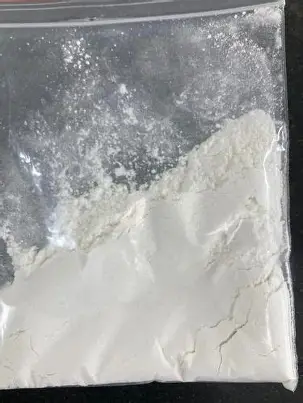
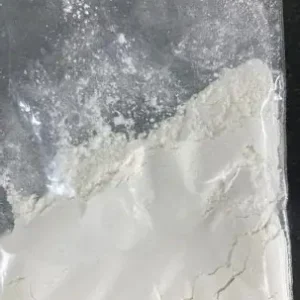
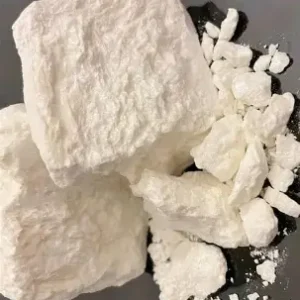
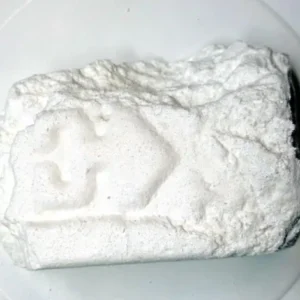
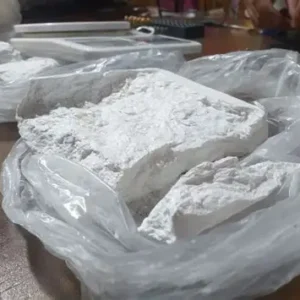
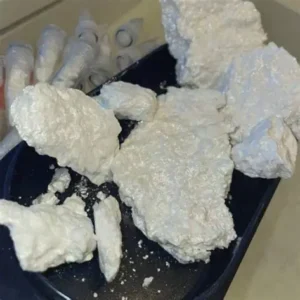
- Typically sold in white or off-white powder form, though variations exist.
- Marketed to provide feelings of euphoria, increased energy, and focus.
- Composition can be highly variable due to unregulated production.
- Available for purchase online through specialized dispensaries like Haute Health.
Benefits and Potential Use Cases
For those seeking stimulant effects, the perceived benefits of Bio Cocaine as marketed often include a surge of motivation and an uplifted state of mind. Some individuals might consider using it for recreational purposes or as a temporary means to combat fatigue and improve concentration during specific tasks. However, it is vital to underscore that these are subjective experiences and the long-term benefits are not scientifically validated. Potential users are often drawn to the promise of enhanced performance or a heightened sense of well-being.
When considering to shop for Bio Cocaine, it’s essential to weigh these perceived benefits against the potential risks. Users should always exercise extreme caution and be fully informed about the nature of the product they are consuming. Haute Health strives to provide a clear understanding of what you are purchasing, ensuring that you can make informed decisions.
Dosage and Usage Guidance
Given the highly variable nature of substances marketed as “Bio Cocaine,” establishing a precise dosage and usage guidance is incredibly challenging and potentially hazardous. Since there is no standardized formulation, the potency and effects can differ significantly. We strongly advise starting with a very small amount to assess individual tolerance and reaction. It is paramount to avoid mixing “Bio Cocaine” with other substances, especially alcohol or other stimulants, as this can dramatically increase the risk of adverse effects.
Users should also be aware of the signs of over-stimulation, such as rapid heartbeat, severe anxiety, paranoia, or difficulty breathing, and seek immediate medical attention if these symptoms occur. Responsible use also includes understanding your personal limits and refraining from frequent or excessive consumption. When you choose to buy Bio Cocaine in Canada from Haute Health, we recommend exercising the utmost caution and responsibility.
Buying Bio Cocaine Online in Canada from Haute Health
Haute Health offers a secure and discreet platform for those looking to buy Bio Cocaine online in Canada. We understand the importance of reliable access to products and prioritize a smooth, confidential shopping experience. Our process is designed for your convenience, ensuring a straightforward transaction from selection to delivery. We maintain a commitment to providing detailed product information, allowing you to make an informed choice before you add to cart.
Our online store is user-friendly, allowing you to browse different quantities and options with ease. When you decide to order Bio Cocaine from Haute Health, you can expect a streamlined ordering process and professional handling of your purchase. We aim to be your trusted source for specific stimulant products, always emphasizing discretion and customer privacy.
Shipping and Availability
At Haute Health, we ensure that your purchase of Bio Cocaine is handled with the utmost care and discretion. All orders are discreetly packaged to protect your privacy and are shipped Canada-wide. We utilize reliable shipping methods to ensure your product arrives safely and promptly at your desired location. Our commitment to efficient logistics means that once you place your order, you can expect timely processing and dispatch.
Availability of Bio Cocaine is generally consistent, but we recommend checking our website for real-time stock updates. We strive to keep our inventory well-supplied to meet the demands of our customers across Canada. When you see Bio Cocaine in stock on our platform, you can be confident in placing your order for prompt fulfillment.
Comparisons and Considerations
When considering to purchase Bio Cocaine online, it is helpful to compare it against other stimulants or traditional recreational substances. The key differentiator for “Bio Cocaine” as a marketed product is its often ambiguous nature and the claims of being a “natural” alternative. Traditional stimulants like coffee or energy drinks offer milder effects, while regulated pharmaceutical stimulants are prescribed for specific medical conditions and have known compositions. Unregulated substances, including many products labeled “Bio Cocaine,” introduce an elevated level of uncertainty regarding purity, potency, and safety.
Consumers should always ask themselves whether the potential benefits outweigh the risks associated with an unregulated product. Understanding the legal landscape in Canada for such substances is also critical. Haute Health encourages all customers to be well-informed and to consider all aspects before making a purchase decision.
Your Trusted Source for Bio Cocaine in Canada
For those seeking to buy Bio Cocaine online in Canada, Haute Health remains a dedicated and reliable option. Our platform is designed to provide you with access to the products you seek, backed by a commitment to discrete service and customer satisfaction. We invite you to explore our selection and experience the convenience of ordering from a trusted Canadian online dispensary. Choose Haute Health today for your Bio Cocaine needs and benefit from our secure ordering process and Canada-wide shipping.
| Quantity | 10 Grams, 100 grams, 20 Grams, 35 Grams, 5 Grams, 50 Grams |
|---|
Be the first to review “Buy Bio Cocaine In Canada”
Related products
Cocaine

Cocaine

Cocaine
Cocaine

Cocaine

Cocaine
Cocaine
Reviews
There are no reviews yet.