
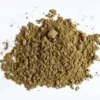




Buy Afghan Heroin in Canada
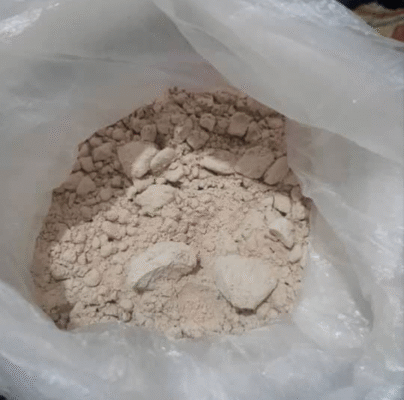
Introduction to Heroin and Global Drug Markets
Heroin is one of the most dangerous and addictive opioid drugs in the world, creating major public health and social challenges across many countries, including Canada. The drug is produced from morphine, a natural substance extracted from opium poppy plants. For decades, Afghanistan was known as one of the world’s largest producers of opium, which contributed significantly to the international heroin trade. Discussions around “Afghan heroin” generally refer to heroin linked to trafficking routes connected to opium cultivation in that region. However, healthcare professionals and law enforcement agencies emphasize that heroin sold illegally in Canada can vary greatly in purity, composition, and contamination regardless of its claimed origin. Today, the opioid crisis in Canada is increasingly complicated by synthetic opioids such as fentanyl, which are frequently mixed into heroin supplies and dramatically increase overdose risks.
How Heroin Affects the Human Body
Heroin is classified as a depressant opioid that affects the brain’s reward and pain-control systems. After entering the body, heroin rapidly converts into morphine and binds to opioid receptors, creating feelings of relaxation, pain relief, and euphoria. Many users also experience drowsiness, slowed breathing, and temporary emotional relief. However, heroin’s effects on the respiratory system make it particularly dangerous because high doses can slow breathing to life-threatening levels. Repeated use often leads to tolerance, meaning larger amounts are needed to achieve the same effects. Dependence can develop quickly, and withdrawal symptoms may become severe when drug use stops. Long-term heroin use is associated with physical deterioration, weakened immunity, chronic infections, and significant mental health challenges.
| Short-Term Effects | Long-Term Effects |
|---|---|
| Euphoria and relaxation | Opioid addiction |
| Drowsiness and sedation | Respiratory complications |
| Pain relief | Collapsed veins |
| Slowed breathing | Depression and anxiety |
| Reduced heart rate | Increased overdose risk |
| Nausea and confusion | Financial and social problems |
The Dangers of Contaminated Drug Supplies
One of the most serious concerns in Canada’s opioid crisis is contamination within the illegal drug supply. Public health agencies repeatedly warn that heroin sold illegally may contain fentanyl or other highly potent synthetic opioids. Fentanyl is many times stronger than heroin and can cause fatal overdoses even in extremely small amounts. Because illicit drugs are manufactured without regulation or quality control, users often have no reliable way of knowing what substances are present. In many overdose cases, individuals believed they were using heroin alone but unknowingly consumed fentanyl-contaminated products. This unpredictability has contributed to a sharp rise in overdose deaths across Canada over the past several years. Healthcare professionals strongly encourage awareness of overdose symptoms and the availability of naloxone, a medication that can temporarily reverse opioid overdoses when administered quickly.

International Drug Trafficking and Organized Crime
The global heroin trade is closely connected to organized criminal networks operating across multiple countries. Drug trafficking organizations use complex smuggling methods involving land routes, maritime shipping, and international transportation systems to move heroin into global markets. Governments worldwide continue to cooperate on anti-trafficking efforts aimed at disrupting these networks and reducing illegal drug distribution. Law enforcement agencies in Canada also investigate money laundering operations, cross-border trafficking activities, and organized crime groups associated with the opioid trade. Despite these efforts, criminal organizations often adapt quickly to changes in enforcement strategies. Experts note that the profitability of illicit drug markets continues to drive trafficking activity, making international cooperation essential for reducing the flow of dangerous substances into communities.Buy Afghan Heroin. Buy Afghan Heroin
Addiction and Mental Health Consequences
Heroin is highly addictive, and dependence can develop after repeated use over a relatively short period of time. Addiction affects both the body and the brain, often leading individuals to prioritize drug use over work, relationships, education, and personal wellbeing. Mental health challenges frequently accompany opioid addiction, including depression, anxiety, emotional instability, and social isolation. Many people struggling with substance dependence also experience trauma, poverty, homelessness, or untreated mental health conditions that complicate recovery. Withdrawal symptoms from heroin can be intense and include nausea, sweating, muscle pain, insomnia, and severe cravings. Mental health experts emphasize that addiction is a medical condition requiring compassionate treatment and support rather than punishment or stigma alone.
| Withdrawal Symptoms | Psychological Effects |
|---|---|
| Muscle aches and pain | Anxiety |
| Sweating and chills | Depression |
| Nausea and vomiting | Irritability |
| Insomnia | Emotional instability |
| Intense cravings | Social withdrawal |
Harm Reduction Strategies in Canada
Canada has increasingly adopted harm reduction policies as part of its response to the opioid crisis. Harm reduction aims to reduce overdose deaths and health complications while connecting individuals to healthcare and support services. Programs in some communities provide supervised consumption sites, drug-checking services, naloxone distribution, clean needle programs, and addiction outreach support. Public health experts argue that these services help prevent fatal overdoses and reduce the spread of infectious diseases such as HIV and hepatitis C. Harm reduction programs also create opportunities for healthcare workers to build trust with vulnerable populations and encourage access to treatment services. While harm reduction policies remain politically debated in some regions, research suggests that evidence-based interventions can save lives and improve long-term recovery outcomes.
Treatment and Recovery Options
Recovery from opioid addiction is possible with proper medical care and long-term support. In Canada, treatment options may include detoxification services, inpatient rehabilitation programs, outpatient counseling, opioid agonist therapy, and mental health treatment. Medications such as methadone and buprenorphine are commonly used to help reduce cravings and withdrawal symptoms during recovery. Behavioral therapies, peer support groups, and community recovery programs can also play important roles in helping individuals rebuild stable lives. Recovery is often a gradual process involving setbacks and ongoing support needs. Healthcare professionals encourage people struggling with opioid use to seek help early, as untreated addiction can increase the risk of overdose and severe health complications. Buy Afghan Heroin. Buy Afghan Heroin. Buy Afghan Heroin
| Treatment Approaches | Purpose |
|---|---|
| Methadone therapy | Reducing withdrawal symptoms |
| Buprenorphine treatment | Managing opioid dependence |
| Behavioral counseling | Addressing addictive behaviors |
| Rehabilitation programs | Structured recovery support |
| Peer support groups | Emotional encouragement |
The Importance of Public Education and Prevention
Public education plays a major role in addressing opioid misuse and overdose risks in Canada. Accurate information helps individuals understand the dangers associated with heroin, fentanyl contamination, addiction, and unsafe drug supplies. Young people are especially vulnerable to misinformation spread online and through social networks that may minimize the risks of opioid use. Schools, healthcare providers, families, and community organizations all contribute to prevention efforts by promoting awareness and early intervention. Experts also emphasize the importance of addressing broader social issues such as poverty, trauma, mental illness, and housing instability, which can contribute to substance misuse. Long-term prevention requires a combination of healthcare access, education, mental health services, and community support systems.
Conclusion: Addressing Canada’s Opioid Crisis
The challenges surrounding heroin and opioid addiction in Canada are complex and deeply connected to public health, organized crime, mental health, and social inequality. While discussions about “Afghan heroin” often focus on international trafficking routes, the most urgent concern for Canadians remains the unpredictable and increasingly dangerous opioid supply circulating within communities. The rise of fentanyl contamination has transformed opioid misuse into a national public health emergency requiring coordinated action from healthcare providers, policymakers, law enforcement agencies, and local communities. Through education, prevention, harm reduction, and accessible treatment services, Canada continues working to reduce overdose deaths and support individuals affected by opioid addiction. Increased awareness and evidence-based public health strategies will remain essential for protecting communities and improving long-term recovery outcomes. Buy Afghan Heroin. Buy Afghan Heroin. Buy Afghan Heroin. Buy Afghan Heroin
| Quantity | 10 Grams, 100 grams, 20 Grams, 35 Grams, 5 Grams, 50 Grams |
|---|
4 reviews for Buy Afghan Heroin In Canada
Add a review
Related products

Cocaine

Cocaine
Cocaine

Cocaine

Cocaine
Cocaine
Herold –
The delivery was smooth and fast, and the packaging looked very professional. Definitely a trusted service.
Leaf –
My products arrived safely thanks to the secure packaging. Fast delivery and excellent customer support as well.
Erickson –
Very fast shipping across Canada and the packaging was top quality. I’ve had a great experience every time.
Conute –
I was impressed by how carefully everything was packaged. Delivery was quick, discreet, and reliable.