
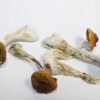
South American Mushroom Strain
The South American strain of Psilocybe cubensis was first collected from the tropical and subtropical grasslands of South America. Indigenous cultures across the continent have a long and rich history of utilizing various species of psychoactive fungi in spiritual ceremonies, healing rituals, and communal gatherings. Archaeological evidence suggests that mushroom use in the region dates back thousands of years, with stone carvings and pottery depicting mushroom motifs found in Colombia, Ecuador, and Guatemala.
Modern mycologists began cataloguing the South American strain in the mid-20th century, when ethnobotanists and researchers travelled to remote regions of the Amazon basin and the Andes to study local flora and fungi. The strain was quickly recognized for its robust growth characteristics, its adaptability to various substrates, and its prolific spore production. Researchers associated with universities and independent laboratories brought samples back to North America and Europe, where the strain was studied extensively and eventually made available to the broader mycological community.
Today, the South American strain is one of the most widely cultivated and studied Psilocybe cubensis varieties in the world. Its genetics have been shared across continents, and it remains a favourite among those who purchase products from reputable Canadian vendors like Haute Health for microscopy and research purposes.

What Are Liquid Mushroom Spores?South American Mushroom Strain
Liquid mushroom spores—commonly distributed as spore syringes—consist of mushroom spores suspended in a sterile, distilled water solution. A typical spore syringe contains millions of individual spores drawn from mature mushroom caps. The process of creating a liquid spore syringe involves harvesting a spore print from a healthy, fully matured fruiting body, then carefully transferring those spores into a sterile liquid medium inside a sealed syringe.
The advantages of liquid spore syringes over traditional spore prints are numerous:
- Ease of use: Spore syringes allow for precise inoculation of substrates and petri dishes, reducing contamination risk.
- Longer shelf life: When stored properly in a cool, dark environment, liquid spore syringes can remain viable for months or even years.
- Better distribution: The liquid medium ensures spores are evenly dispersed, leading to more consistent results under the microscope or during cultivation.
- Reduced contamination: The sealed syringe environment protects spores from airborne contaminants during storage and transport.
For anyone interested in exploring mushroom products, liquid spore syringes of the South American strain offer an accessible and reliable entry point into the world of mycology.
Characteristics of the South American Strain|Buy South American Mushroom Strain
The South American strain is celebrated for a number of distinctive physical and biological characteristics that set it apart from other Psilocybe cubensis varieties. Understanding these traits is essential for anyone studying or cultivating this remarkable fungus.
Physical Appearance
Fruiting bodies of the South American strain are typically medium to large in size. The caps are broad and convex when young, gradually flattening out as the mushroom matures. Cap colour ranges from a warm golden-brown to a lighter tan or caramel hue, often with a slightly darker centre. The caps may develop a slightly wavy or undulating margin at full maturity.
The stems (stipes) are thick, sturdy, and white to off-white in colour, frequently displaying a bluish bruising reaction when handled—a hallmark indicator of psilocybin-containing species. The gills beneath the cap progress from a pale grey to a dark purplish-brown as spores mature, eventually dropping a dense, dark purple-brown spore print.
Growth Habit
One of the most appealing aspects of the South American strain is its vigorous and forgiving growth habit. Mycelium colonizes substrates quickly and aggressively, often outcompeting potential contaminants. This makes the strain particularly well-suited for beginners who are still refining their sterile technique. The strain fruits prolifically, producing multiple flushes of mushrooms from a single substrate block or jar. Each flush can yield substantial harvests, and the strain is known to produce fruit bodies even under less-than-ideal environmental conditions.
Many cultivators who shop at Haute Health and similar Canadian vendors appreciate the South American strain for its reliability and consistency, making it a staple in both amateur and professional mycology circles.
Why Choose the South American Strain?
With hundreds of Psilocybe cubensis strains available to researchers and cultivators, the South American strain continues to stand out for several compelling reasons:
- Beginner-friendly: The strain’s aggressive colonization and contamination resistance make it an ideal choice for novice growers.
- Consistent results: Whether grown on brown rice flour cakes, grain spawn, or bulk substrates, the South American strain delivers reliable flushes.
- Large fruiting bodies: The strain produces impressively sized mushrooms, making harvest and handling straightforward.
- Rich spore production: Mature caps produce abundant dark spore prints, which translates to high-quality liquid spore syringes.
- Historical significance: Growing a strain with deep roots in South American indigenous culture adds a layer of educational and cultural appreciation.
- Versatile substrate compatibility: The strain performs well on a wide range of growing media, from simple PF Tek jars to advanced monotub setups.
Cultivation Guide for the South American Strain
Cultivating mushrooms from liquid spore syringes involves several key stages, each requiring careful attention to sterile technique and environmental conditions. Below is a comprehensive overview of the cultivation process for the South American strain.
Stage 1: Inoculation
The first step is inoculating your chosen substrate with the liquid spore syringe. Common substrates include brown rice flour (BRF) vermiculite cakes (the PF Tek method), sterilized grain (rye, wheat, millet), and pre-made all-in-one grow bags. Using a still-air box or laminar flow hood, shake the syringe thoroughly, flame-sterilize the needle, and inject approximately 1–2 cc of spore solution into each jar or bag through the self-healing injection port.
Stage 2: Colonization
After inoculation, store your jars or bags in a warm (24–27°C / 75–80°F), dark location. The South American strain typically begins showing visible mycelial growth within 5–10 days, with full colonization occurring in 2–4 weeks depending on substrate volume and temperature. The mycelium will appear as a white, cotton-like growth spreading from the inoculation points. Do not disturb the containers during this phase.
Stage 3: Fruiting
Once the substrate is fully colonized, it is time to introduce fruiting conditions. This involves exposing the colonized substrate to fresh air exchange, light (indirect or ambient), and slightly cooler temperatures (21–24°C / 70–75°F). Humidity should be maintained at 85–95% relative humidity. The South American strain typically begins producing pins (primordia) within 5–14 days of being introduced to fruiting conditions.
Stage 4: Harvesting
Harvest mushrooms just before or as the veil beneath the cap begins to tear and separate from the stem. This timing ensures maximum potency and clean spore-free harvests. Gently twist and pull each mushroom from the substrate, or use a clean, sharp blade to cut at the base. After the first harvest, soak the substrate (a process called “dunking”) to rehydrate it, and return it to fruiting conditions for subsequent flushes.
Those looking to source quality cultivation supplies and mushroom-related products in Canada can find a wide selection of options through trusted online dispensaries.
Ideal Growing Conditions
To maximize yields and produce healthy fruiting bodies from the South American strain, it is crucial to maintain optimal environmental conditions throughout the cultivation process:
- Temperature (Colonization): 24–27°C (75–80°F). Consistent warmth promotes rapid mycelial growth.
- Temperature (Fruiting): 21–24°C (70–75°F). A slight drop in temperature signals the mycelium to begin producing fruit bodies.
- Humidity: 85–95% relative humidity during fruiting. Use a fine mist sprayer, perlite humidity tray, or automated humidifier to maintain levels.
- Fresh Air Exchange (FAE): Essential during fruiting to prevent CO₂ buildup, which can cause elongated stems and small, underdeveloped caps. Fan the fruiting chamber 2–3 times daily or use automated ventilation.
- Light: Indirect ambient light or a 12/12 light cycle using a low-wattage LED. Light serves as a directional cue for the mushrooms, not as an energy source.
- Substrate Moisture: The substrate should feel like a wrung-out sponge—moist but not dripping wet. Over-saturation promotes bacterial contamination.
Potency and Effects
The South American strain of Psilocybe cubensis is generally classified as having moderate to moderately high potency. The primary active compounds are psilocybin and psilocin, which interact with serotonin receptors in the brain to produce a range of psychoactive effects. While individual experiences vary widely depending on dosage, body weight, tolerance, set, and setting, users commonly report the following:
- Visual enhancements: Colours may appear more vivid and saturated, and geometric patterns or fractal-like visuals may be perceived with closed eyes.
- Emotional depth: Many users describe feelings of profound empathy, connectedness, and emotional release.
- Introspective thinking: The South American strain is frequently associated with deep, philosophical thought and personal insight.
- Body sensations: A warm, tingling body high is commonly reported, along with a sense of physical relaxation.
- Euphoria: Waves of joy, laughter, and a general sense of well-being are typical, particularly at lower to moderate doses.
The South American strain is often described as producing a “warm and welcoming” experience, making it a popular choice for those new to psilocybin exploration. For those interested in learning more about different mushroom strains and products, reputable Canadian online vendors offer comprehensive product descriptions and educational resources.
Typical dosing guidelines for dried South American Psilocybe cubensis mushrooms are as follows:
- Microdose: 0.1–0.3 grams — Sub-perceptual effects aimed at enhancing focus, creativity, and mood.
- Low dose: 0.5–1.5 grams — Mild visual and emotional effects; a gentle introduction.
- Moderate dose: 1.5–3.5 grams — Full psychedelic experience with significant visual and introspective effects.
- High dose: 3.5–5+ grams — Intense, potentially overwhelming experience recommended only for those with significant prior experience.
Comparing the South American Strain to Other Cubensis Varieties
The world of Psilocybe cubensis encompasses an enormous diversity of strains, each with its own personality, growth habits, and reputation. Here is how the South American strain compares to some of the most popular alternatives:
South American vs. Golden Teacher
The Golden Teacher is perhaps the most famous cubensis strain, prized for its balanced effects and moderate potency. While both strains are beginner-friendly, the South American strain tends to produce larger individual fruit bodies and colonizes substrates slightly faster. Golden Teachers are often described as more “cerebral,” while the South American strain leans towards a warmer, more body-centred experience.
South American vs. B+ (Be Positive)
The B+ strain is another all-time favourite among cultivators due to its adaptability and generous yields. Both strains share a forgiving nature when it comes to less-than-perfect growing conditions. However, the South American strain is generally considered to have a slightly higher potency on average, and its historical and cultural significance gives it an added dimension of interest for researchers and enthusiasts.
South American vs. Penis Envy
Penis Envy is widely regarded as one of the most potent cubensis strains available. Unlike the South American strain, Penis Envy is notoriously difficult to cultivate—it colonizes slowly, is highly susceptible to contamination, and produces fewer but denser fruit bodies. For beginners, the South American strain is a far more practical choice, offering a rewarding experience without the steep learning curve associated with Penis Envy.
South American vs. Ecuadorian
The Ecuadorian strain shares geographic and genetic proximity to the South American strain, and the two are sometimes confused. However, the Ecuadorian strain is typically associated with slightly smaller fruit bodies and a somewhat more visual experience profile. The South American strain, by contrast, tends to produce heftier mushrooms and a more balanced combination of physical and mental effects.
Storage and Handling of Liquid Spore Syringes
Proper storage and handling of liquid mushroom spore syringes is essential to maintaining spore viability and preventing contamination. Follow these best practices to ensure your South American strain spore syringes remain in optimal condition:
- Temperature: Store syringes in a refrigerator at 2–8°C (35–46°F). Do not freeze, as ice crystal formation can damage spore cell walls.
- Light: Keep syringes away from direct sunlight and UV exposure. A dark drawer or opaque container inside the refrigerator is ideal.
- Shelf life: Properly stored liquid spore syringes can remain viable for 6–12 months or longer. However, for best results, use syringes within 6 months of purchase.
- Handling: Always work with spore syringes in a clean environment. Flame-sterilize the needle before and after each use. Wear gloves and a face mask to minimize contamination risk.
- Shaking: Before use, shake the syringe vigorously for 15–30 seconds to break up spore clumps and ensure even distribution throughout the liquid.
Quality vendors like Haute Health take great care to package and ship spore syringes under sterile conditions, ensuring customers receive a clean, viable product ready for immediate use or long-term storage.
Legal Considerations
The legal status of psilocybin mushroom spores varies by jurisdiction, and it is essential that all researchers, hobbyists, and cultivators familiarize themselves with the laws applicable in their region before purchasing or working with spore products.
In Canada, psilocybin remains a controlled substance under the Controlled Drugs and Substances Act (CDSA). However, mushroom spores themselves do not contain psilocybin or psilocin and are therefore not explicitly controlled in many Canadian jurisdictions. Spore syringes are commonly sold for microscopy, taxonomy research, and educational purposes. It is the buyer’s responsibility to ensure compliance with all applicable local, provincial, and federal regulations.
In recent years, there has been a growing movement towards the decriminalization and medical research of psilocybin in both Canada and the United States. Health Canada has granted several exemptions under Section 56 of the CDSA to allow certain patients and healthcare professionals to use psilocybin therapeutically. Additionally, numerous clinical trials are underway exploring the potential of psilocybin-assisted therapy for conditions such as treatment-resistant depression, end-of-life anxiety, PTSD, and addiction.
For the latest updates on the legal landscape surrounding psilocybin products in Canada, consult reliable legal resources and stay informed through reputable vendors and advocacy organizations.
Where to Buy Quality Liquid Mushroom Spores
When purchasing liquid mushroom spore syringes, it is critical to choose a reputable and trusted vendor. The quality of your spore syringe directly impacts the success of your research, microscopy work, or cultivation project. Here are key factors to consider when selecting a vendor:
- Sterility: Reputable vendors prepare spore syringes in professional-grade clean rooms or laminar flow hoods to minimize contamination risk.
- Strain authenticity: Ensure the vendor provides accurate strain identification and labelling. The South American strain should be clearly distinguished from similar varieties.
- Customer reviews: Look for vendors with a strong track record of positive customer feedback and transparent business practices.
- Shipping and packaging: Spore syringes should be shipped in protective packaging with temperature considerations, especially during extreme weather.
- Educational resources: The best vendors, like Haute Health, provide detailed product descriptions, growing guides, and customer support to help buyers make informed decisions.
Canadian buyers have access to a number of excellent online dispensaries and mycology supply shops. Haute Health stands out as a trusted Canadian vendor offering a wide range of mushroom-related products, from spore syringes and dried mushrooms to edibles and microdose capsules. Their commitment to quality, customer education, and discreet shipping makes them a top choice for both newcomers and experienced mycologists alike.
Frequently Asked Questions
Are liquid mushroom spore syringes legal in Canada?
Mushroom spores do not contain psilocybin or psilocin and are commonly sold for microscopy and research purposes. However, cultivating psilocybin mushrooms remains illegal without authorization. Always check your local regulations before purchasing.
How long do liquid spore syringes last?
When refrigerated at 2–8°C and kept away from light, liquid spore syringes can remain viable for 6–12 months or longer. For best results, use them within 6 months.
Is the South American strain good for beginners?
Absolutely. The South American strain is one of the most forgiving and beginner-friendly Psilocybe cubensis varieties available. Its fast colonization, contamination resistance, and generous yields make it an ideal starting point.
What substrate works best for the South American strain?
The strain performs well on a variety of substrates, including BRF/vermiculite cakes, rye grain, wild bird seed, and bulk substrates like coco coir and vermiculite. Advanced growers may experiment with supplemented hardwood sawdust or straw.
Where can I purchase South American strain spore syringes in Canada?
Trusted Canadian vendors like Haute Health offer high-quality liquid spore syringes of the South American strain, shipped discreetly across Canada.
Conclusion
The South American strain of Psilocybe cubensis is a remarkable variety with deep cultural roots, outstanding cultivation characteristics, and a well-balanced potency profile that appeals to beginners and experienced mycologists alike. Liquid mushroom spore syringes provide the most convenient and reliable method for working with this strain, whether for microscopy research, educational exploration, or personal cultivation.
From its origins in the tropical landscapes of South America to its current status as one of the world’s most popular cubensis varieties, the South American strain offers a rewarding and enriching experience for anyone passionate about the science and art of mycology. By sourcing quality spore products from reputable vendors like Haute Health, maintaining proper sterile technique, and following established cultivation protocols, you can embark on a successful journey with this extraordinary mushroom strain.
Whether you are a seasoned cultivator looking to add a reliable strain to your collection, a researcher studying fungal genetics, or a curious newcomer eager to learn about the fascinating world of psilocybin mushrooms, the South American strain and its liquid spore syringes represent one of the finest options available in the Canadian market today.


Matoes –
⭐
“I’ve tried several mushroom suppliers, and these are among the best. Premium quality, clean appearance, and outstanding customer service.”