
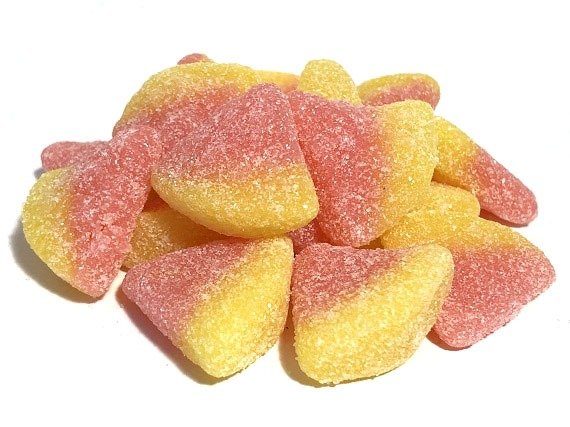
When seeking a potent and flavorful cannabis edible, 20mg THC Grapefruit Gummies stand out as an exceptional choice. Engineered for users who appreciate a substantial and consistent dose, these gummies combine the bright, zesty taste of grapefruit with the powerful effects of THC. Haute Health is proud to offer these premium edibles, ensuring a high-quality product delivered directly to your door across Canada.
Each gummy is precisely infused with 20mg of THC, making them ideal for experienced users or those looking to achieve a more pronounced effect than lower-dose options. The onset of effects from edibles can vary, typically ranging from 45 minutes to 2 hours, and can last for several hours. This extended duration makes them suitable for managing chronic discomfort, promoting relaxation, or simply enjoying a long-lasting recreational experience. The grapefruit flavour provides a pleasant consumption experience, masking the cannabis taste for those who prefer a more discreet method of intake.
Understanding the Effects of 20mg THC
A 20mg dose of THC is considered a moderate to strong dose for many individuals. For those new to edibles or particularly sensitive to cannabis, it’s advisable to start with a smaller portion if possible, or understand the potency before consuming a full dose. However, for regular cannabis consumers, 20mg often delivers a robust and enjoyable experience. Effects can include deep relaxation, heightened sensory perception, euphoria, and effective pain relief. Some users report an enhanced appreciation for music, art, or social interactions.
It’s crucial to consume these gummies in a safe and comfortable environment, especially when first trying this dosage. Ensure you have no immediate responsibilities, such as driving or operating heavy machinery. The psychoactive effects are intensified when THC is metabolized in the liver into 11-hydroxy-THC, which is more potent and has a longer half-life than delta-9 THC inhaled through smoking. This metabolic pathway is why edibles often feel different and more intense than other consumption methods.
Key Features and Benefits of Haute Health’s THC Gummies
When you shop for 20mg THC Grapefruit Gummies at Haute Health, you’re investing in a product designed for quality and consistency:
- Precision Dosing: Each gummy contains exactly 20mg of THC, ensuring predictable effects with every piece.
- Delicious Flavor: The natural grapefruit essence provides a refreshing and enjoyable taste profile.
- Long-Lasting Effects: Edibles offer a sustained experience, ideal for extended relief or lengthy recreational periods.
- Discreet Consumption: Gummies provide a smell-free and convenient way to consume cannabis.
- High-Quality Ingredients: Made with premium cannabis extract and food-grade ingredients.
- Lab-Tested Purity: All products undergo rigorous testing for potency and safety.
Optimal Use Cases
These 20mg THC gummies are versatile for various applications. They can be excellent for evening relaxation after a long day, helping to unwind and de-stress. Many users find them effective for managing chronic pain, muscle spasms, or insomnia due to their potent and sustained effects. They can also enhance creative pursuits or provide a new dimension to social gatherings, provided users are experienced with this dosage level. To add to cart these gummies is to choose a reliable and enjoyable cannabis solution.
Dosage and Usage Guidance for Experienced Users
For those accustomed to THC, a 20mg gummy is often a perfect single dose. If you’re experimenting with edibles or this specific dosage for the first time, consider consuming one gummy and waiting at least 90 minutes to assess the full effects before considering more. Hydration is key, so keep water accessible. Avoid mixing with alcohol or other substances, which can intensify the effects. Remember, the goal is a pleasant and controlled experience. Haute Health encourages responsible consumption for all our customers.
Maximizing Your Edible Experience
To ensure the best possible experience with your 20mg THC Grapefruit Gummies, consider your environment and mindset. A comfortable and familiar setting can greatly influence the outcome. Some users find that engaging in calm activities like listening to music, watching a film, or light reading can enhance the positive effects. Others prefer creative outlets such as painting or writing. Food intake can also affect absorption rates; consuming edibles on an empty stomach may lead to a faster onset and potentially more intense effects, while consuming them with a light meal can slow down absorption and provide a smoother, more gradual experience. Always prioritize your comfort and well-being. Keeping a journal of your experiences can also help you understand your personal tolerance and optimal dosage over time, allowing for a more tailored and consistent experience.
Storage and Shelf Life
Proper storage is essential to maintain the freshness and potency of your 20mg THC Grapefruit Gummies. Store them in a cool, dark place, away from direct sunlight and extreme temperatures. An airtight container or the original packaging is ideal to prevent them from drying out or absorbing unwanted odours. Keeping them out of reach of children and pets is paramount. When stored correctly, these gummies can maintain their quality and potency for several months, ensuring that each dose delivers the intended effect when you’re ready to enjoy it.
Frequently Asked Questions (FAQs)
Q: How long do the effects of a 20mg THC gummy last?
A: The effects typically last between 4 to 8 hours, though this can vary based on individual metabolism, tolerance, and other factors. The peak effects are usually felt within 2 to 4 hours after consumption.
Q: Can I cut the gummies in half for a smaller dose?
A: While possible, precise dosing may be challenging when cutting gummies. For those new to edibles or sensitive to THC, it’s generally recommended to choose lower-dose products if a 20mg dose is too high. However, if you choose to, ensure you cut as evenly as possible.
Q: Are these gummies suitable for first-time cannabis users?
A: A 20mg dose is considered strong for first-time users. We recommend beginners start with a much lower dose (e.g., 2.5mg-5mg) to gauge their sensitivity before trying higher potency products. Haute Health offers a range of edibles with varying THC concentrations to suit all experience levels.
Q: Will these gummies show up on a drug test?
A: Yes, consuming THC edibles will result in THC metabolites in your system, which can be detected by drug tests. If you are subject to drug testing, exercise caution when consuming any THC products.
Buying 20mg THC Grapefruit Gummies Online in Canada
Haute Health makes it simple to order online your preferred cannabis products. Our user-friendly website ensures a seamless shopping experience from selection to checkout. We prioritize customer privacy and security throughout the purchasing process. When you purchase from us, you’re choosing a trusted source for high-quality cannabis edibles.
All orders are processed with discretion and speed. We understand the importance of reliable service, which is why our shipping Canada-wide is efficient and secure. We work diligently to ensure your 20mg THC Grapefruit Gummies arrive fresh and potent, ready for your enjoyment. Our customer support team is always available to answer any questions you may have about our products or your order.
Why Choose Haute Health for Your Edible Needs?
Haute Health is committed to providing premium cannabis products with unparalleled customer service. Our extensive selection, rigorous quality control, and commitment to customer satisfaction set us apart. We believe in transparency and offer detailed product descriptions to help you make informed decisions. Our 20mg THC Grapefruit Gummies are always in stock and ready to improve your cannabis experience.
Don’t miss the opportunity to elevate your cannabis regimen. Whether for relaxation, relief, or recreation, our 20mg THC Grapefruit Gummies offer a superior edible experience. We invite you to buy these delicious and effective gummies today from Haute Health and discover the difference quality makes. Experience the ease of ordering and the assurance of a premium product, all backed by our commitment to your satisfaction. Elevate your well-being responsibly with Haute Health.
| Qty | 10 edibles pack, 100 edibles pack, 1000 edibles pack, 25 edibles pack, 250 edibles pack, 4 edibles pack |
|---|
Be the first to review “20mg THC Gummies – Grapefruit”
Related products
20mg Edibles
10mg Edibles
10mg Edibles
10mg Edibles

10mg Edibles

20mg Edibles

20mg Edibles
Reviews
There are no reviews yet.