
Uncategorized
How Consumers Incorporate Cannabis Into Wellness Routines
How Consumers Incorporate Cannabis Into Wellness Routines
From sunrise rituals to evening wind-downs — a closer look at how everyday Canadians are weaving cannabis into the rhythm of a healthier, calmer life.
A decade ago, the idea of cannabis sitting alongside your morning vitamins or your evening skincare routine would have seemed almost unthinkable to most Canadians. Today, it’s an increasingly ordinary part of daily life. How consumers incorporate cannabis into wellness routines has become one of the most fascinating shifts in Canadian self-care culture — a quiet, steady normalization that has moved cannabis from the margins of recreational use into the heart of everyday wellness practice. This guide explores exactly how consumers incorporate cannabis into wellness routines throughout the day, which products support which goals, and how you might thoughtfully build cannabis into your own routine.
Understanding How Consumers Incorporate Cannabis Into Wellness Routines
The shift in how consumers incorporate cannabis into wellness routines reflects a much larger cultural transformation. Cannabis has moved from being something used occasionally, often socially, to something many Canadians now treat the way they treat a daily vitamin, a yoga practice, or a skincare regimen — a small, intentional ritual woven into the structure of an ordinary day. This shift hasn’t happened by accident. It reflects growing consumer education, improved product precision, and a maturing legal market that has made low-dose, function-specific cannabis products widely accessible.
What makes this trend particularly interesting is how deeply personalized it has become. How consumers incorporate cannabis into wellness routines varies enormously from person to person — some use it only at the end of a long day to wind down, others build it into a morning mindfulness practice, and many use it strategically at multiple points throughout the day to support different goals: focus in the morning, calm at midday, sleep at night. Far from the singular, undifferentiated “getting high” of cannabis’s recreational stereotype, today’s wellness-oriented use is precise, intentional, and deeply individual.
Platforms like Haute Health have responded to this shift by curating wellness-specific product categories — organizing offerings not just by strain or potency, but by intended outcome: sleep support, stress relief, focus, and recovery. This kind of outcome-based curation reflects exactly how consumers incorporate cannabis into wellness routines today: not as a single undifferentiated habit, but as a toolkit of specific products matched to specific moments and specific needs.
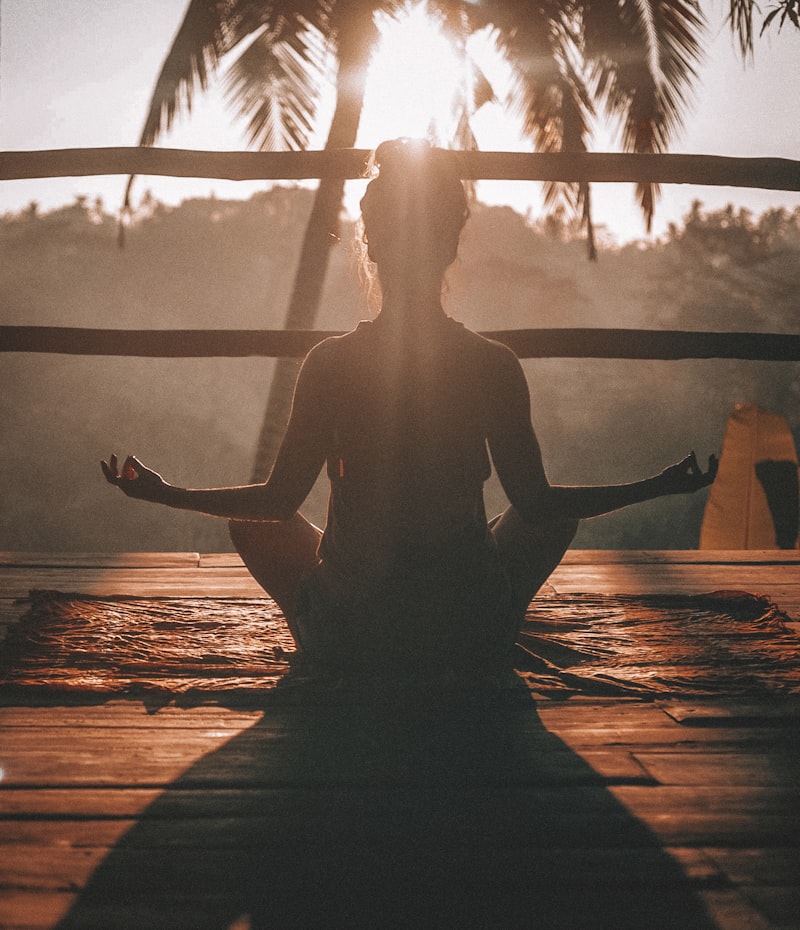
A Day in the Life: How Consumers Incorporate Cannabis Into Wellness Routines Hour by Hour
One of the clearest ways to understand how consumers incorporate cannabis into wellness routines is to walk through an actual day, observing where and why cannabis enters the picture. While every individual routine looks different, certain patterns recur consistently across the wellness-focused cannabis consumer base in Canada.
The Mindful Start
For morning-focused wellness consumers, cannabis enters the routine as a low-dose CBD-forward tincture or microdose capsule, taken alongside breakfast or a morning meditation practice. The goal here is rarely intoxication — most morning consumers are seeking subtle mood support, mild anti-inflammatory benefits, or a gentle counterbalance to morning anxiety, all without any impairment that would interfere with work, parenting, or daily responsibilities.
The Reset Break
Midday is where many consumers describe using cannabis as a deliberate stress-management tool — a brief pause during a demanding workday to reset focus and reduce accumulated tension. Vape pens with balanced THC:CBD ratios are popular here for their speed and precision, allowing the consumer to titrate a small, controlled dose during a lunch break or between meetings without carrying the effect into the rest of the afternoon.
The Wind-Down Ritual
The evening is, by a significant margin, the most common time consumers describe in how consumers incorporate cannabis into wellness routines. Higher-CBN or indica-leaning products, sleep-formulated tinctures, and low-dose edibles taken an hour before bed have become the centrepiece of evening wellness rituals — paired with screen-free wind-down time, herbal tea, or a short stretching practice to support deeper, more restorative sleep.
“I never set out to build cannabis into my wellness routine — it just happened gradually. A tincture here, a gummy before bed there. Now it’s as automatic as brushing my teeth.”— A composite reflection drawn from common consumer wellness narratives, 2026
The Five Wellness Pillars Behind How Consumers Incorporate Cannabis Into Wellness Routines
Beyond the structure of a single day, how consumers incorporate cannabis into wellness routines is most clearly understood through the specific wellness goals driving use. Research and consumer surveys consistently identify five core pillars that explain the overwhelming majority of intentional, routine-based cannabis use in Canada today.
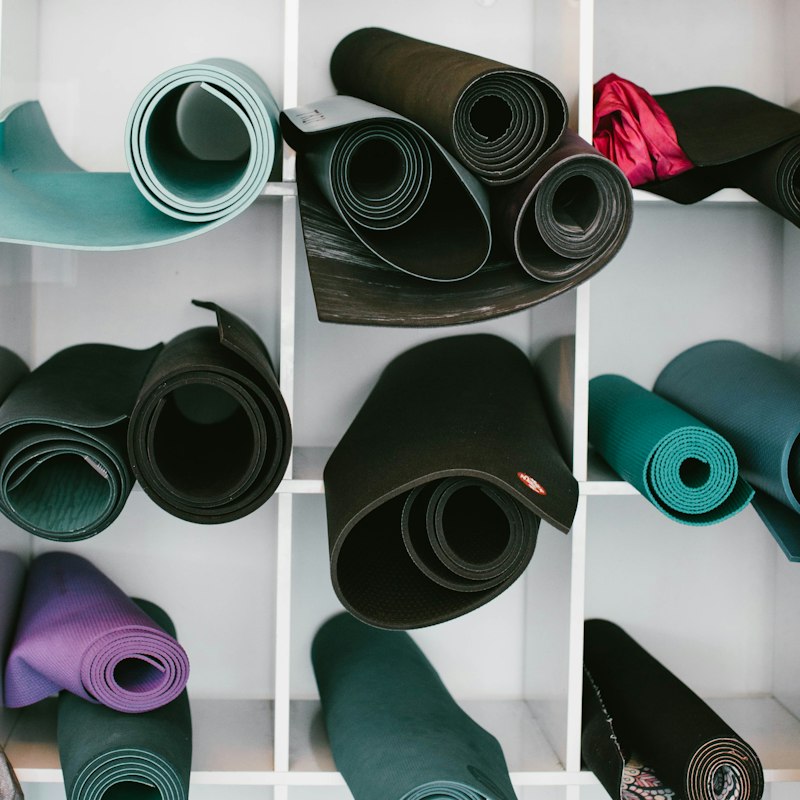
Matching Products to Goals: How Consumers Incorporate Cannabis Into Wellness Routines by Product Type
A central part of understanding how consumers incorporate cannabis into wellness routines is recognizing that product format is rarely arbitrary. Experienced wellness-focused consumers select products deliberately based on onset speed, duration, and the specific physiological outcome they’re seeking.
If you’re exploring how to incorporate cannabis into your own wellness routine, start with a single, specific goal — sleep is the most common entry point — and a single low-dose product. Current cannabis wellness guidance consistently recommends starting low, tracking your response over one to two weeks, and adjusting gradually rather than introducing multiple products and goals simultaneously.
A Practical Framework for How to Incorporate Cannabis Into Your Wellness Routine
For anyone curious about how consumers incorporate cannabis into wellness routines and considering building one of their own, a thoughtful, gradual approach produces the best and most sustainable results. The most successful wellness routines share a few common structural principles, regardless of which specific goal they’re built around.
- 1Identify a single, specific wellness goal first — sleep, stress, pain, or focus — rather than trying to address everything at once
- 2Choose the lowest effective dose to start, typically 1–2.5mg THC or a CBD-forward formulation
- 3Anchor the cannabis ritual to an existing daily habit — your morning coffee, your evening skincare, your bedtime reading
- 4Track your response for one to two weeks before adjusting dose or product
- 5Choose lab-verified products with consistent potency so your routine produces reliable, repeatable results
- 6Reassess every few weeks — wellness needs change, and your routine should evolve alongside them
The consistency of this kind of routine-based approach is precisely what distinguishes wellness-oriented cannabis use from recreational use. Where recreational cannabis is often occasional and variable, how consumers incorporate cannabis into wellness routines tends to mirror the discipline of any other wellness habit — regular, intentional, dose-consistent, and built around a specific, desired outcome rather than spontaneous enjoyment alone.
The Future of How Consumers Incorporate Cannabis Into Wellness Routines
The trajectory of how consumers incorporate cannabis into wellness routines points toward continued growth, precision, and integration with broader Canadian wellness culture. As cannabinoid research deepens and product formulation technology improves, expect to see increasingly specific, outcome-targeted products — sleep formulations engineered around precise CBN ratios, stress-focused blends combining cannabis with adaptogens, and recovery products designed in collaboration with sports medicine professionals.
The generational shift is particularly notable. Canadian seniors — once the demographic most resistant to cannabis normalization — are now among the fastest-growing groups incorporating cannabis into structured wellness routines, often replacing or supplementing conventional sleep aids and pain medications with cannabis-based alternatives recommended by their physicians. This shift reflects a broader cultural acceptance of cannabis as a legitimate wellness tool, not a recreational indulgence requiring justification.
For Canadians exploring how to incorporate cannabis into a personal wellness routine, the foundation of a successful approach remains the same: start with intention, choose lab-verified quality products, and build gradually around your specific goals. Haute Health offers a curated range of wellness-focused cannabis products — organized by outcome, backed by lab data, and supported by detailed product information — designed to support exactly this kind of thoughtful, intentional routine-building.
Bringing It All Together: How Consumers Incorporate Cannabis Into Wellness Routines
How consumers incorporate cannabis into wellness routines tells a quiet but powerful story about the evolution of Canadian self-care culture. What began as a single, undifferentiated category of recreational use has matured into a sophisticated, personalized toolkit — morning microdoses for mood, midday resets for stress, and evening rituals for sleep, each supported by precisely formulated, lab-verified products designed for a specific purpose.
Whether you’re just beginning to explore cannabis as part of your own wellness practice or looking to refine an existing routine, the principles remain consistent: start low, stay intentional, and choose products you can trust. For Canadians ready to explore how cannabis can fit into their own wellness routine, Haute Health offers the curated, transparent product selection needed to build a routine that genuinely supports a calmer, healthier daily life.
Build Your Own Wellness Ritual
Discover Cannabis Products for Every Part of Your Day
Lab-verified, outcome-focused cannabis products for sleep, stress, focus, and recovery — curated for how real wellness routines actually work.
