

Yeti Magic Mushrooms


Price range: $10.00 through $840.00
Crafted to spark innovative thinking with a potent yet balanced vibe, Yeti Mushrooms deliver a premium psilocybin experience that boosts focus, creativity, and motivation, perfect for easing stress and depression while offering earthy, nutty flavours and a subtle spicy aroma.
Yeti Magic Mushrooms
Introduction
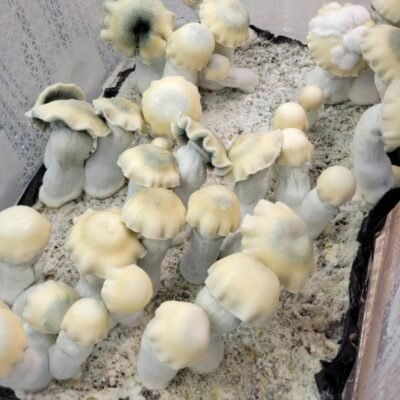
Yeti mushrooms have become one of the most discussed varieties within the broader world of psilocybin-containing fungi. Known for their distinctive appearance and association with the Albino Penis Envy lineage, Yeti mushrooms have gained attention among cultivators, researchers, and enthusiasts interested in mushroom genetics and taxonomy.
As scientific interest in psilocybin mushrooms continues to grow, understanding individual strains such as Yeti can help readers learn about mushroom cultivation history, genetic characteristics, morphology, and the broader context of psychedelic research. This educational guide explores Yeti magic mushrooms, their characteristics, reported effects, and their place among modern mushroom strains. Yeti Magic Mushrooms. Yeti Magic Mushrooms. Yeti Magic Mushrooms
Yeti Magic Mushrooms
Yeti magic mushrooms are generally regarded as a unique variety within the species Psilocybe cubensis, one of the most widely recognized and cultivated psilocybin-containing mushroom species in the world.
The Yeti strain is often associated with albino or leucistic genetics. These mushrooms are notable for their pale coloration, thick stems, and distinctive appearance that sets them apart from more common Psilocybe cubensis varieties.
Although exact origins are debated among cultivation communities, many believe Yeti mushrooms emerged through selective breeding and stabilization of genetic traits over multiple generations. Like many modern mushroom strains, the development of Yeti mushrooms reflects the growing sophistication of mushroom cultivation techniques and genetic selection practices.
What Makes Yeti Mushrooms Unique?
Several characteristics distinguish Yeti mushrooms from other cubensis varieties:
- Pale white or cream-colored caps
- Thick, dense stems
- Slow but often vigorous growth
- Distinctive albino-like appearance
- Association with Penis Envy-related genetics
These features have contributed to the popularity of the strain among cultivators interested in unusual mushroom varieties.
Taxonomy
Yeti mushrooms belong to:
- Kingdom: Fungi
- Division: Basidiomycota
- Class: Agaricomycetes
- Order: Agaricales
- Family: Hymenogastraceae
- Genus: Psilocybe
- Species: Psilocybe cubensis
Despite their unique appearance, Yeti mushrooms remain members of the Psilocybe cubensis species and share many biological traits with other cubensis varieties.
Historical Context
The development of named mushroom strains accelerated significantly with the rise of online cultivation communities. Enthusiasts began documenting genetic variations, selective breeding outcomes, and cultivation experiments.
Yeti mushrooms emerged during this period of rapid strain development. Like many modern strains, their identity is largely maintained through cultivation practices and community knowledge rather than formal scientific classification.
Buy Yeti Mushroom Online
The term “Yeti mushroom” generally refers to the physical mushroom itself rather than the broader strain lineage.
Physical Characteristics
Yeti mushrooms possess several visual traits that make them easy to recognize:
Cap Appearance
The cap is often:
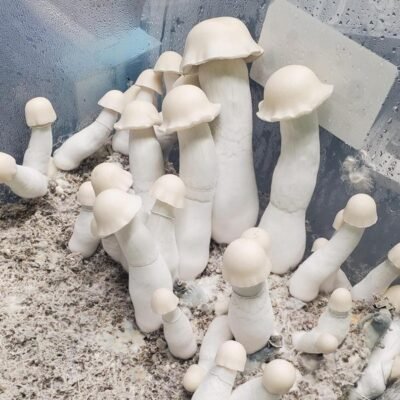
- White or off-white
- Smooth in texture
- Rounded when young
- Flattening as maturity develops
The pale coloration contributes significantly to the strain’s reputation and name.
Stem Structure
One of the most notable features is the stem:
- Thick and robust
- Dense flesh
- Strong structural integrity
- Often larger than average cubensis stems
The substantial stem size often makes Yeti mushrooms visually striking compared to standard cubensis varieties.
Spore Production
Many albino-associated strains exhibit reduced spore production compared to traditional cubensis mushrooms.
This characteristic can present challenges for cultivators but also contributes to the unique nature of these genetics.
Growth Characteristics
Cultivators often report that Yeti mushrooms display:
- Strong colonization rates
- Healthy mycelial development
- Dense fruiting bodies
- Reliable flushes under suitable conditions
Environmental variables such as temperature, humidity, airflow, and substrate composition remain important factors influencing cultivation outcomes.
Mycelium Development
The mycelium of Yeti mushrooms is often described as:
- Thick
- Rhizomorphic
- Aggressive in colonization
- Bright white in appearance
Healthy mycelial growth is a key indicator of successful cultivation and serves as the foundation for mushroom development.
Habitat and Ecology
Like other Psilocybe cubensis varieties, Yeti mushrooms thrive under controlled cultivation environments designed to mimic natural tropical and subtropical conditions.
Wild cubensis mushrooms typically grow in:
- Warm climates
- High humidity environments
- Nutrient-rich organic matter
- Grassland ecosystems
Understanding these ecological preferences helps explain the cultivation requirements often used by growers.
Yeti Mushroom Effects
Researchers studying psilocybin-containing mushrooms focus primarily on the effects of psilocybin and psilocin, the two principal psychoactive compounds found in these fungi.
Understanding Psilocybin
Psilocybin is a naturally occurring compound that is converted into psilocin after ingestion.
Psilocin interacts with serotonin receptors in the brain, particularly the 5-HT2A receptor system, leading to alterations in perception, cognition, and mood.
Reported Psychological Effects
Scientific literature on psilocybin has documented several common experiences:
Altered Sensory Perception
Individuals may report:
- Enhanced visual perception
- Increased appreciation of colors
- Changes in pattern recognition
- Altered perception of sound
Changes in Time Perception
Many participants in psilocybin studies describe:
- Time appearing slower
- Time appearing faster
- Difficulty estimating duration
- Increased focus on the present moment
Emotional Experiences
Research participants have reported:
- Elevated mood
- Emotional openness
- Increased introspection
- Enhanced feelings of connection
Cognitive Effects
Psilocybin may influence:
- Thought patterns
- Creative thinking
- Self-reflection
- Perspective shifts
Scientists continue to investigate the mechanisms responsible for these effects.
Physiological Effects
Physical effects reported in research settings may include:
- Mild changes in heart rate
- Changes in blood pressure
- Altered body sensations
- Changes in energy levels
Responses can vary significantly among individuals.
Factors Influencing Effects
Several variables may affect the overall experience:
Individual Biology
Genetics, metabolism, and neurochemistry can influence responses.
Psychological State
A person’s mindset prior to an experience may affect outcomes.
Environment
The setting plays a significant role in shaping subjective experiences.
Mushroom Composition
Natural variations in alkaloid content may contribute to differences between individual mushrooms.
Current Research
Modern scientific studies are exploring psilocybin’s potential applications in controlled clinical settings.
Areas under investigation include:
- Depression
- Anxiety disorders
- Substance use disorders
- End-of-life distress
- Post-traumatic stress disorder
Researchers emphasize that these investigations occur under strict medical supervision and should not be confused with recreational use.
Safety Considerations
Educational discussions about psilocybin should acknowledge potential risks.
Possible concerns include:
- Anxiety
- Confusion
- Impaired judgment
- Psychological distress in susceptible individuals
Responsible scientific inquiry requires balanced discussion of both potential benefits and risks.
Purchase Yeti Mushroom Strain
The Yeti mushroom strain occupies an interesting position within the expanding catalog of modern Psilocybe cubensis varieties.
Strain Development
Mushroom strains are often developed through:
- Selective breeding
- Genetic isolation
- Phenotype selection
- Multi-generation stabilization
These processes aim to preserve desirable traits across future generations.
Relationship to Albino Genetics
Yeti mushrooms are frequently discussed alongside other albino strains such as:
- Albino Penis Envy
- True Albino Teacher
- Albino A+
- Ghost Mushrooms
These varieties share certain visual characteristics but maintain distinct genetic backgrounds.
Popularity Among Cultivators
Several factors contribute to the popularity of the Yeti strain:
Visual Appeal
The bright white appearance attracts significant interest.
Unique Genetics
Cultivators often seek uncommon genetic lines.
Educational Interest
The strain provides insight into fungal genetics and phenotype expression.
Comparing Yeti to Other Cubensis Strains
While all Psilocybe cubensis strains belong to the same species, differences may occur in:
- Appearance
- Growth characteristics
- Colonization speed
- Fruiting behavior
Examples of other popular cubensis strains include:
- Golden Teacher
- B+
- Mazatapec
- Ecuador
- Cambodian
- Penis Envy
Each variety possesses characteristics that appeal to different cultivators and researchers.
The Role of Genetics
Genetics play a central role in determining:
- Mushroom morphology
- Growth rates
- Fruiting tendencies
- Pigmentation
Selective breeding allows cultivators to emphasize particular traits over time.
Future of Strain Research
Advances in fungal genetics continue to expand understanding of mushroom diversity.
Future research may provide greater insight into:
- Genetic markers
- Phenotypic stability
- Alkaloid production
- Cultivation optimization
As scientific interest in fungi increases, strains such as Yeti may become valuable subjects for broader mycological study.
Conclusion
Yeti mushrooms represent one of the most visually distinctive strains within the Psilocybe cubensis species. Their pale coloration, dense structure, and association with albino genetics have made them a notable topic among cultivation communities and mushroom researchers.
Understanding Yeti magic mushrooms requires examining their taxonomy, physical characteristics, ecological background, and place within the broader landscape of fungal genetics. While scientific research continues to investigate the effects and potential applications of psilocybin, educational discussions remain important for promoting accurate knowledge and responsible understanding.
As mycology and psychedelic science continue to evolve, strains such as Yeti mushrooms offer valuable opportunities to explore fungal diversity, genetics, cultivation practices, and the expanding field of mushroom research. Yeti Magic Mushrooms. Yeti Magic Mushrooms.
| Qty | 1 Oz (28 g), 1/2 Oz (14 g), 1/4 Oz (7 g), 1/4 Pound (4 oz – 112g), 1/8 Oz (3.5 g), Gram |
|---|
1 review for Yeti Magic Mushrooms
Add a review
Related products

Mushrooms

Mushrooms


Mushrooms
Mushrooms

Mushrooms

Mushrooms

Mushrooms
Paul –
Excellent quality mushrooms with great freshness and consistency. The product arrived well-packaged and exceeded my expectations. Highly recommended.”