
Understanding Pills and Modern Medication Use
The Role of Pills in Healthcare
Pills are one of the most common forms of medication used in modern healthcare. They are designed to help treat illnesses, manage chronic conditions, relieve pain, and support overall wellness. From antibiotics and vitamins to prescription medications, pills play an important role in improving the quality of life for millions of people worldwide. Healthcare providers carefully prescribe medications based on individual needs and medical conditions.
Different Types of Pills
There are many different types of pills available for various health purposes. Some medications are used to treat infections, while others help manage conditions such as diabetes, high blood pressure, anxiety, or chronic pain. Pills may come in forms such as tablets, capsules, soft gels, or extended-release formulas. Each type is designed to deliver medication into the body in a specific and effective way.
How Pills Work in the Body
After a pill is swallowed, it travels through the digestive system where the medication is absorbed into the bloodstream. Depending on the medication type, the effects may begin quickly or gradually over time. Some pills are designed for immediate relief, while others slowly release medication throughout the day to provide longer-lasting support. Proper dosage and timing are important for safe and effective treatment.
Importance of Following Medical Advice
Taking pills responsibly is essential for patient safety and successful treatment outcomes. Healthcare professionals provide instructions regarding dosage, timing, food interactions, and possible side effects. Patients should avoid changing doses or stopping medication without medical advice, as improper use may reduce effectiveness or cause complications. Reading prescription labels carefully can help ensure medications are used correctly.
Common Side Effects and Safety Concerns
Like all medications, pills may cause side effects in some individuals. Common side effects can include nausea, dizziness, headaches, drowsiness, or stomach discomfort depending on the medication. Certain medications may also interact with alcohol, supplements, or other drugs. Patients are encouraged to discuss any unusual symptoms or concerns with their doctor or pharmacist for proper guidance and monitoring.
The Future of Medication and Wellness
Advances in healthcare continue to improve the development of safer and more effective medications. Researchers are exploring personalized treatments, improved drug delivery systems, and innovative therapies to support better patient outcomes. Alongside medication, healthy lifestyle habits such as proper nutrition, exercise, sleep, and regular medical checkups remain important for maintaining overall health and wellness.

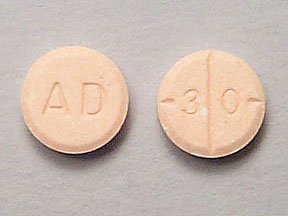
Pills
![APOTEX – ZOPICLONE 7.5MG [100 TABS]](https://haute-health.ca/wp-content/uploads/2026/03/APO-ZOPLICONE-300x300.webp)



Pills

Pills


Pills

Pills

Pills

Pills



Pills

Pills

Pills

Pills

Pills

Pills

Pills
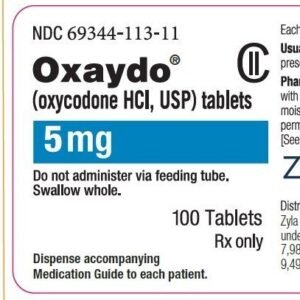
Pills
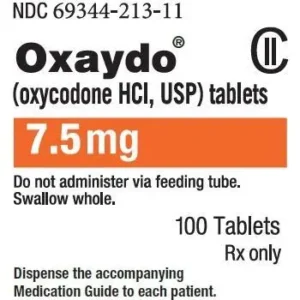
Pills

Pills


Pills

Pills

Pills

Pills

Pills