
Mushrooms: Nature’s Hidden Kingdom
Mushrooms are among the most fascinating organisms on Earth. Neither plants nor animals, they belong to their own biological kingdom called fungi. Found in forests, grasslands, gardens, and even inside homes, mushrooms play an essential role in maintaining the balance of ecosystems. Beyond their ecological importance, mushrooms are also valued for their nutritional benefits, medicinal properties, and cultural significance.
What Are Mushrooms?
A mushroom is the fruiting body of a fungus. While the visible mushroom grows above ground, most of the organism exists underground as a network of thread-like structures called mycelium. This hidden network absorbs nutrients from soil, decaying plants, and organic matter.
Mushrooms come in many shapes, sizes, and colors. Some are edible and delicious, while others are poisonous and dangerous. Scientists estimate that there are millions of fungal species worldwide, though only a fraction have been identified.
Types of Mushrooms
There are several categories of mushrooms, each with unique characteristics:
Edible Mushrooms
These mushrooms are safe to eat and widely used in cooking. Common examples include:
- Button mushrooms
- Oyster mushrooms
- Shiitake mushrooms
- Portobello mushrooms
Edible mushrooms are rich in flavor and often used in soups, salads, sauces, and pizzas.
Medicinal Mushrooms
Certain mushrooms are believed to have health benefits. Examples include:
- Reishi mushrooms
- Lion’s Mane mushrooms
- Turkey Tail mushrooms
These mushrooms have been used in traditional medicine for centuries and are being studied for their potential to support immunity and brain health.
Poisonous Mushrooms
Some mushrooms contain toxic substances that can cause severe illness or death if consumed. The most dangerous example is the death cap mushroom. Because poisonous and edible mushrooms can look alike, wild mushrooms should never be eaten without expert identification.
Nutritional Value
Mushrooms are low in calories but high in nutrients. They contain:
- Vitamins such as B-complex vitamins and vitamin D
- Minerals like potassium and selenium
- Fiber and antioxidants
- Protein in small amounts
Because of these nutrients, mushrooms are considered a healthy addition to many diets.
Ecological Importance
Mushrooms are nature’s recyclers. They break down dead plants and animals, returning nutrients to the soil. Without fungi, forests would be covered with undecomposed organic matter.
Some mushrooms also form partnerships with trees through underground fungal networks. These relationships help trees absorb water and nutrients more efficiently.
Mushrooms in Human Culture
Throughout history, mushrooms have held cultural and spiritual importance in many societies. Some cultures view them as delicacies, while others use them in traditional ceremonies and medicine. Today, mushrooms are also gaining popularity in sustainable agriculture, biotechnology, and environmental cleanup projects.
Cultivation of Mushrooms
Mushrooms can be grown commercially or at home. Farmers cultivate them in controlled environments using materials such as straw, sawdust, or compost. Mushroom farming is considered environmentally friendly because it requires relatively little land and water compared to many other crops.
Conclusion
Mushrooms are remarkable organisms that contribute greatly to life on Earth. They support ecosystems, provide nutritious food, and offer promising medical and scientific applications. Although often overlooked, mushrooms represent a hidden kingdom full of mystery, diversity, and importance. As research continues, humanity may discover even more ways these fascinating fungi can benefit the world.


Mushrooms

Mushrooms


Mushrooms

Mushrooms

Mushrooms

Mushrooms

Mushrooms

Mushrooms

Mushrooms

Mushrooms

Mushrooms

Mushrooms
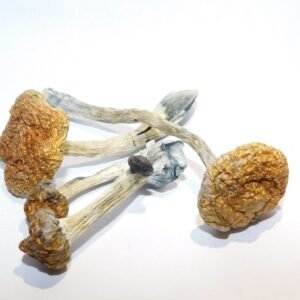
Mushrooms

Mushrooms

Mushrooms
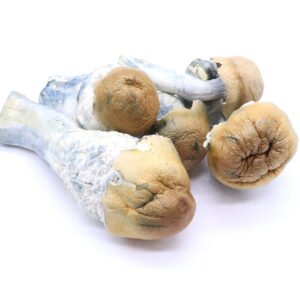
Mushrooms

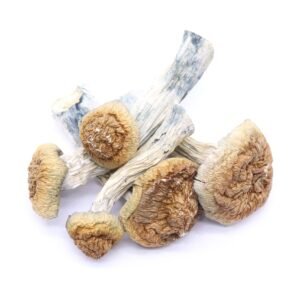


Mushrooms

Mushrooms

Mushrooms

Mushrooms
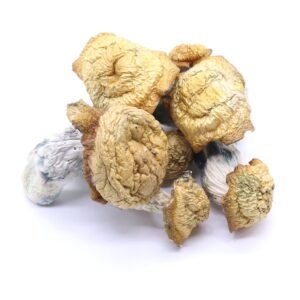
Mushrooms

Mushrooms

Mushrooms